
How does professional office cleaning change the way your workplace is judged?
Professional office cleaning improves your office’s image by keeping the workplace consistently presentable, not by making it look tidy after one visit. We focus on the areas people judge fastest, such as reception, meeting rooms, washrooms, kitchens, floors and waste points, then keep those standards under control through routine, supervision and clear accountability.
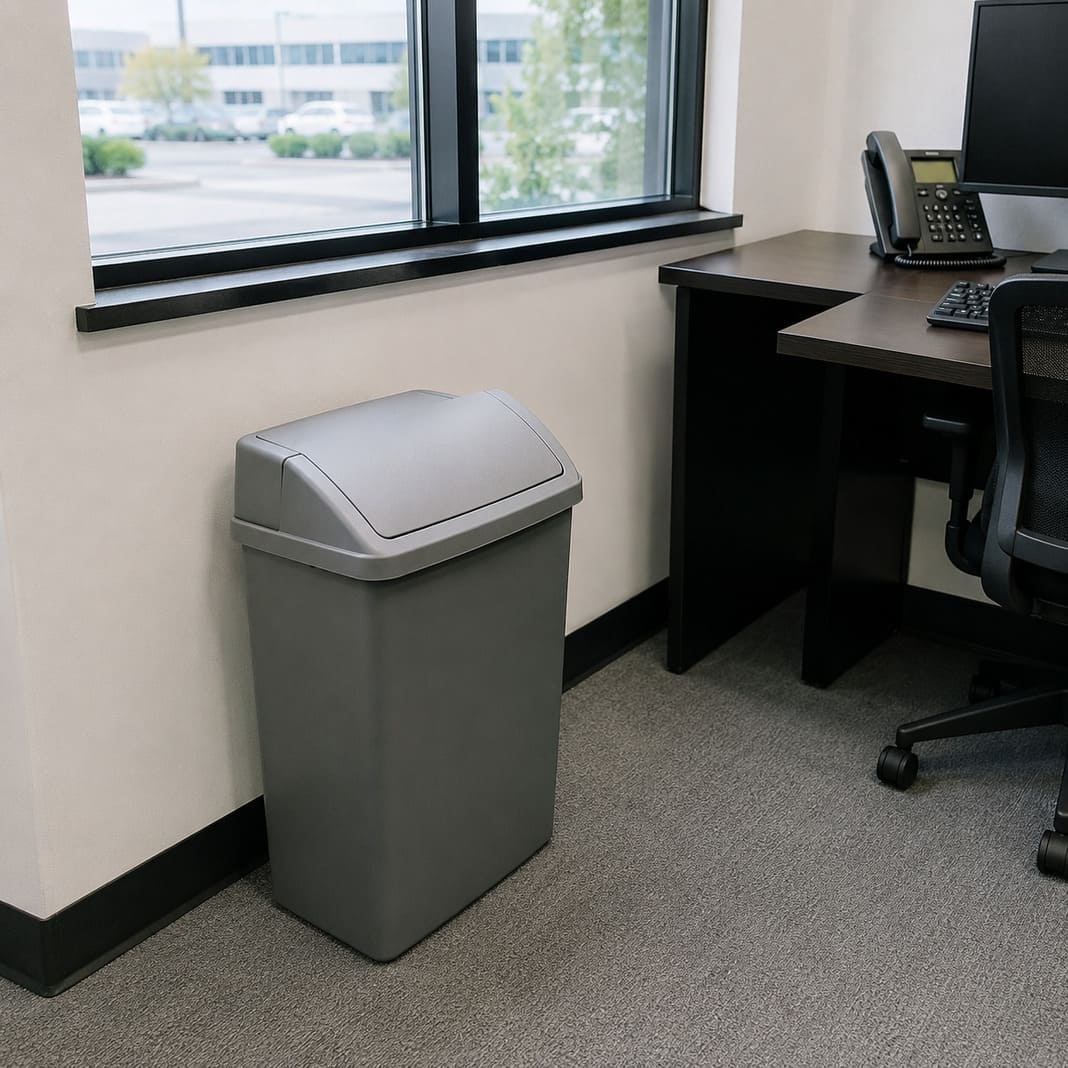
Table of Contents
Office image changes when cleaning becomes a managed routine
A reception area can look right on Monday morning, then lose control by midweek. Meeting rooms are used back to back, bins fill, washrooms need repeat attention, and staff kitchens show the strain of variable occupancy. Your office’s image depends on whether the cleaning system keeps pace with that use.
Professional office cleaning turns workplace presentation into a managed routine. We would not judge a cleaning service by whether the office looks acceptable immediately after a clean. We would judge it by whether visible areas stay ready for staff, visitors and clients across the working week.
Clean premises also sit within wider workplace responsibilities. The Health and Safety Executive states that UK employers must provide a healthy and safe working environment and welfare facilities under the Workplace (Health, Safety and Welfare) Regulations. For an office manager, that does not mean turning every cleaning decision into a compliance exercise. It means clean floors, shared facilities, washrooms and waste points are part of how a workplace is run.
One-off tidying deals with what has already slipped. A professional office cleaning service puts a routine around the areas that shape first impressions, so the same problems do not return every few days. Some areas matter more than others, and that is where a good specification starts.
Some office areas carry more reputational weight than others
Visitors judge front-of-house areas before they judge the rest of the office, but staff judge the places they use every day. We would give more attention to the zones that carry the greatest business impact, because a long task list means little if the wrong areas fall behind.
The priority areas usually break down like this:
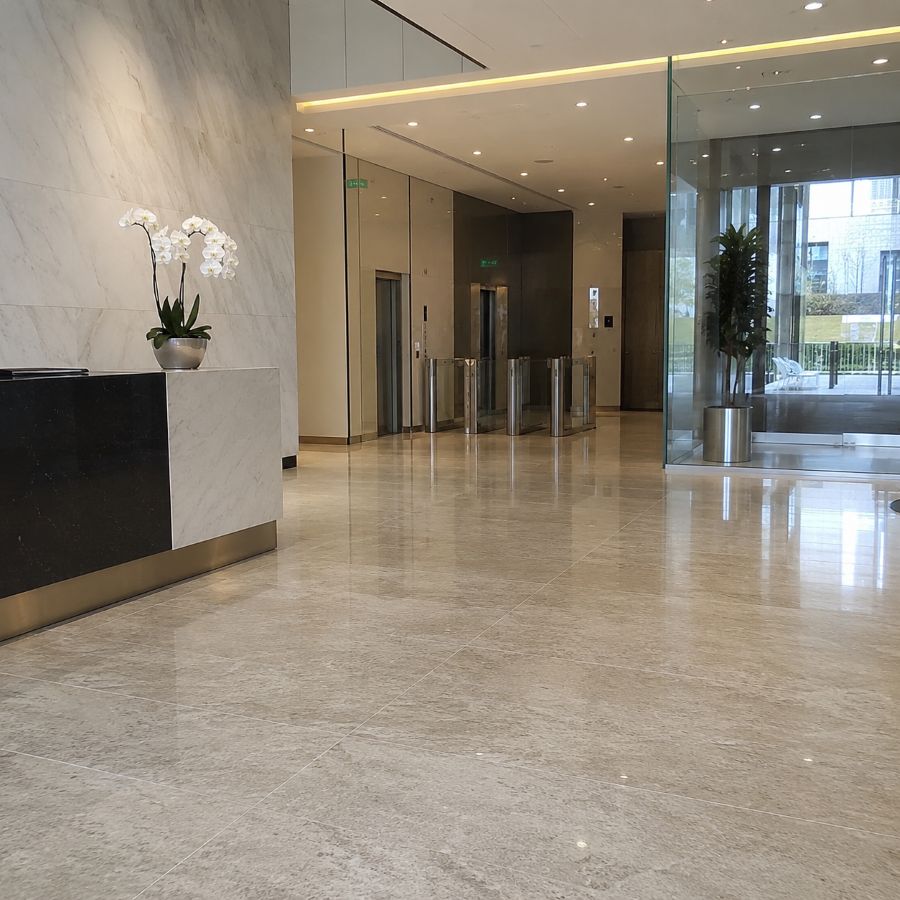
- Reception and entrances. These areas set the first commercial signal, so floors, glass, seating, touchpoints and waste points need regular attention.
- Meeting rooms. Client rooms need to be reset between use, with tables, floors, bins and presentation surfaces kept ready.
- Washrooms. Poor washroom standards damage confidence quickly because shared welfare areas are hard to ignore.
- Kitchens and break areas. Staff food waste, surfaces, sinks, bins and floors show whether shared facilities are being managed.
- Work zones and desks. Desk areas, touchpoints, floors and bins affect the daily judgement staff make about the workplace.
- Support spaces and waste areas. Back-of-house points still matter because overflowing bins and poorly managed recycling leak into visible areas fast.
A weak cleaning plan often gives equal weight to everything. That sounds fair on paper, but it can mean low-impact areas get attention while meeting rooms, kitchens or washrooms fall short. We prefer to match the service to use and visibility, so the office cleaning standards support the way your premises are actually judged.
Safe product use and colour-coded cleaning also matter in shared commercial spaces. The point is simple: a professional team needs agreed methods, trained cleaners and site-specific procedures, not guesswork at the cupboard door.
Cleaning frequency should match how your London office is used
Daily cleaning is right for some London offices, but it is not the automatic answer for every site. We would look at occupancy, visitor numbers, washroom use, kitchen use, meeting room turnover, access hours and the presentation standard your office needs to maintain.
London and Greater London offices vary sharply in how they are used. Some have compact shared kitchens and busy client routes. Others have hybrid attendance, quieter desk areas and heavy meeting room use on certain days. A sensible commercial cleaning schedule reflects that pattern.
| Office condition | What it affects | Cleaning implication |
|---|---|---|
| Busy reception or regular visitors | First impressions and front-of-house control | More frequent attention to entrances, floors, glass, seating and bins |
| High washroom or kitchen use | Staff confidence and shared facility standards | Regular checks and cleaning matched to actual use |
| Heavy meeting room turnover | Client rooms and internal meeting readiness | Resetting and cleaning focused around meeting patterns |
| Hybrid or variable occupancy | Desk areas, waste levels and shared spaces | A schedule that changes by use, not habit |
| Strong client-facing image requirement | Workplace presentation across visible routes | Cleaning hours weighted toward the zones people judge fastest |
The British Institute of Cleaning Science describes Outcome Criteria as a way of measuring what is and is not acceptable, and Compound Productivity Rates as a standardised way to calculate time needed for cleaning operations. In plain terms, frequency and hours should be based on the job the office actually needs, not copied from another site.
Occupancy patterns also change. Once staff attendance, visitor flow or meeting room use shifts, your cleaning schedule needs review. Leaving the same hours in the same places after the office has changed is how standards drift without anyone noticing at first.
Standards hold when the contract is actively managed
Cleaning standards slip when nobody checks whether the agreed service is being delivered. A good proposal matters, but the real test comes after the first few weeks, when routine, attendance, supervision and cover decide whether your office still looks well run.
Attendance verification protects the hours you bought
Contracted hours only have value if the cleaners attend and the hours are monitored. We look for clear records because missed time quickly shows up in visible areas, especially washrooms, bins, kitchens and reception.
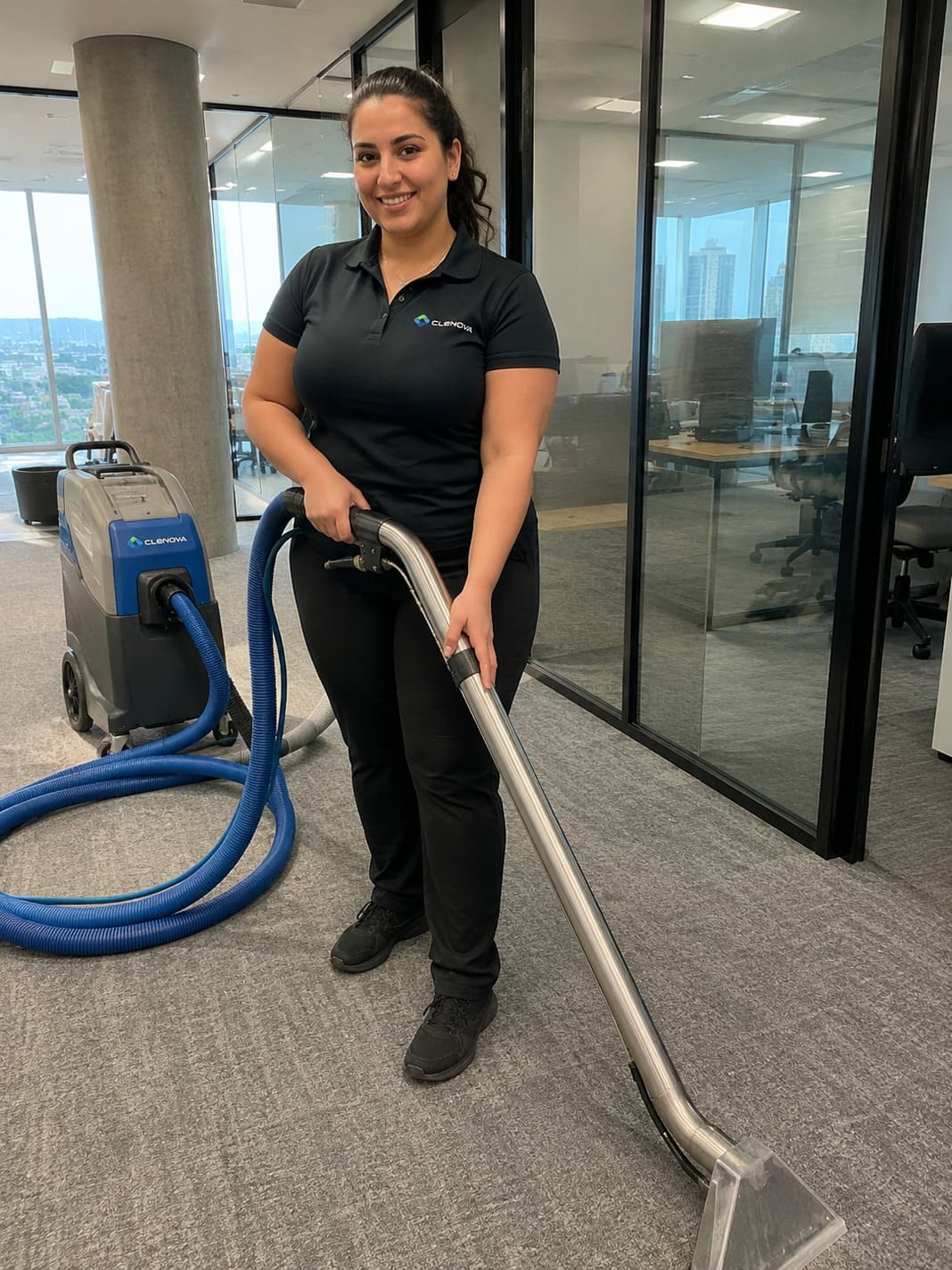
At Clenova, we use digital time-and-attendance monitoring to help verify contracted hours, alongside regular quality checks and management follow-up. That does not need to feel complicated for you. The purpose is to stop cleaning becoming an invisible service that is only discussed when something has already gone wrong.
Quality checks turn presentation into a managed standard
Quality checks take the conversation away from vague opinions. Instead of asking whether the office looks “good enough”, we look at agreed areas, agreed standards and any actions needed to bring the site back into line.
A supervisor or manager should be able to spot patterns, not just isolated faults. If meeting rooms keep being missed after late bookings, the issue may be timing. If washrooms fall behind on high-attendance days, the frequency may need adjustment. Proper inspection turns those problems into decisions.
Cover arrangements keep absence from becoming visible
Cleaner absence is normal in any staffed service. The difference lies in whether the contractor has trained cover operatives or supervisors who can protect continuity when sickness or holiday leave affects the regular team.
A missed clean in a low-use storage area may pass unnoticed. A missed clean in a reception area, washroom or kitchen is different. Cover planning is one of the least glamorous parts of commercial cleaning contract management, but it is one of the clearest signs that the provider understands office image.
Provider choice should focus on proof of management, not polish
A strong office cleaning proposal explains how standards will be kept, checked and corrected. Price matters, but a low quote tells you very little unless you know what is included, how attendance is monitored and who takes responsibility when standards slip.
Use these checks when comparing professional cleaning services:
- Confirm the scope. The proposal should state which areas are included, how often they are cleaned and what level of presentation is expected.
- Test the frequency. The schedule should reflect visitors, staff numbers, washrooms, kitchens, meeting rooms and access hours.
- Ask how attendance is verified. Contracted hours need a clear method of monitoring, not blind trust.
- Look for inspection routines. Quality checks should be part of the contract, with actions followed through.
- Check cover arrangements. Sickness and holiday cover should be planned before absence affects the office.
- Clarify communication. You need a route to someone who can resolve issues, not a message trail with no ownership.
- Review training and methods. Safe product use, site procedures, COSHH awareness and sensible colour coding all affect how the service is delivered.
- Include waste handling. Office bins now sit within a more structured workplace routine, not a loose end.
Workplace recycling in England changed on 31 March 2025, and GOV.UK lists offices among the workplaces covered. Dry recyclable materials, food waste and non-recyclable waste must be separated before collection, so cleaning routines around kitchens, desks and waste points need to reflect that.
At Clenova, we see office image as a management issue first and a cleaning task second. The common misconception is that professional cleaning is mainly a cosmetic purchase. That assumption is risky, because the visible clean only lasts when attendance, scope, inspections, cover and communication are managed behind it.
Questions We Get Asked About Improving Office Cleaning
What is included in a professional office cleaning service?
A professional office cleaning service usually covers agreed workplace areas such as reception, meeting rooms, desks, washrooms, kitchens, floors, glass, touchpoints and waste points. The exact scope should be written around your premises, opening hours and presentation needs.
Should reception and meeting rooms be cleaned more often than desks?
Reception areas and meeting rooms often need more frequent attention because visitors and clients judge them quickly. Desk areas still matter, but cleaning frequency should follow use, visibility and business impact.
How do you know whether office cleaners are doing the contracted hours?
A reliable contractor should have a clear attendance monitoring process. Digital time-and-attendance records help show whether contracted hours are being delivered, which protects both value and workplace standards.
Do commercial cleaners deal with recycling and food waste bins?
Commercial cleaners can support the office routine around recycling and food waste bins where that work is included in the cleaning scope. Your workplace still needs the right waste separation arrangements before collection.
Is professional office cleaning mainly about making the workplace look tidy?
No. A common misconception is that office cleaning is just about visible tidiness. A presentable office depends on repeatable standards, checked attendance and managed follow-up, so the service holds up after the first clean.