
Why does the cheapest cleaning contract usually cost more?
The cheapest cleaning contract costs more when the saving comes from hidden cuts to hours, supervision, cover or follow-up. A lower price can be fair if the scope is smaller and clearly agreed. It becomes costly when you still expect the same standards but the contract cannot support them.
Table of Contents
The lowest cleaning quote is only cheaper if the reduced scope is intentional
Most buyers read a low monthly figure as the same service for less. In practice, the right question is simpler: what has been removed to make the number work?
A low-cost commercial cleaning quote can be perfectly reasonable if it reflects fewer visits, fewer areas, less frequent detail work or a smaller scope of work. Trouble starts when two commercial cleaning quotes look similar on paper but one has quietly left out realistic contracted hours, supervisor time, cleaning materials, cover arrangements or clear management responsibility.
Use this comparison before you treat the cheapest cleaning contract as the best value.
| What the low price may appear to include | What you should verify |
|---|---|
| Daily office cleaning | Which areas are included, which tasks are excluded and how long each visit allows |
| A fixed monthly contract value | The service frequency, contracted hours and assumptions behind the price |
| Cleaning products and equipment | Who supplies them, what is included and what sits outside the contract |
| Reliable cover | How sickness, annual leave and missed attendance are managed |
| Quality control | How site inspections, complaints and corrective action are handled |
A quote should be judged against the service model behind it, not the headline price alone. Once you compare the scope, labour allowance and management input, the cheapest office cleaning contract price may turn out to be a smaller service rather than a better deal.
Labour, supervision and cover are where commercial cleaning costs really sit
Commercial cleaning is labour-heavy, so pricing has limited room to fall without affecting the delivery model. Cleaner time, supervisor checks, holiday cover, sickness cover and management follow-up all sit inside the real cost of a managed cleaning service.
A fair price for office cleaning in London has to reflect the premises, access, service frequency and level of oversight required. Across London and Greater London, those factors vary sharply from site to site, which is why a quote based only on the lowest possible number of hours is a weak basis for a recurring operational contract.
The wage floor limits how far labour pricing can fall
GOV.UK lists the National Living Wage from April 2026 as £12.71 per hour for workers aged 21 and over, and National Minimum Wage rates change on 1 April every year. That matters because cleaning contracts built on old wage assumptions, or on unrealistic labour allowances, can stop making sense quickly.
A provider cannot remove the basic cost of labour from commercial cleaning. If the price drops sharply, the reduction has to come from somewhere else: fewer cleaner hours, less supervision, weaker cover, reduced quality checks or less time spent managing the account. Efficiency matters, but it does not make a two-hour job fit properly into one rushed visit.
At Clenova, we price cleaning around the labour, supervision and cover a site actually needs, not just the lowest possible number of hours. That approach gives you a clearer view of the commercial cleaning labour cost before the contract starts, because the proposal has to support the standard you expect after the first few weeks.
Supervision and cover protect standards after month one
Supervisor time is easy to miss in a quote because it does not always appear as a line beside mopping, washroom cleaning or bin removal. Its absence becomes obvious when standards slip and every issue has to be chased by your office manager or facilities team.
Cover arrangements deserve the same scrutiny. Cleaners take annual leave, become ill and deal with real-life disruption. A good contract allows for cover operatives or supervisor cover where required, so the service does not depend on one person always being available.
Cheap contracts often look acceptable at the start because the first few cleans receive attention. The test comes later, when routines settle, access issues appear and small missed tasks need follow-up. Without supervision and cover, your team becomes the backstop.
A vague cleaning specification turns a cheap contract into extra management work
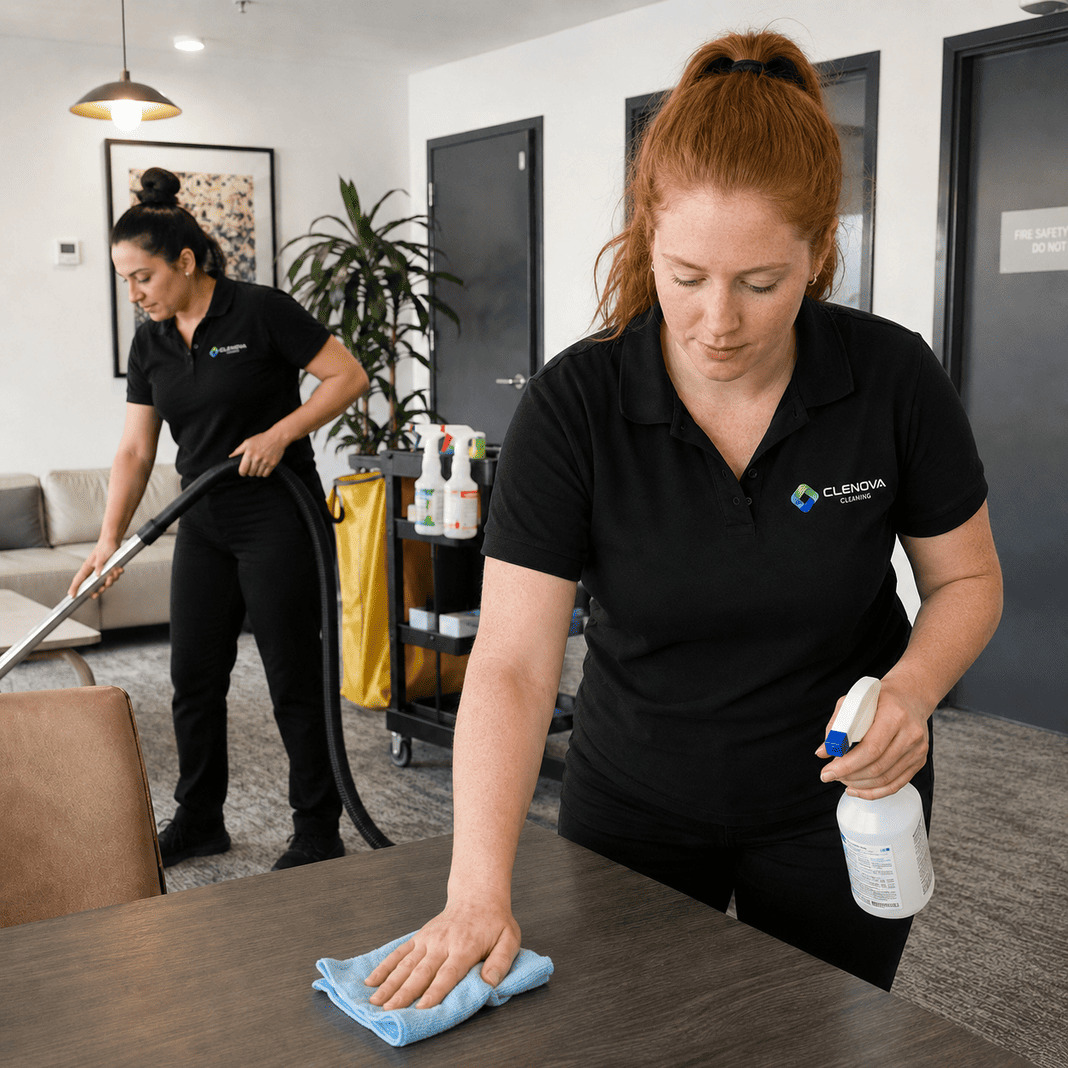
Two quotes can both say “daily office cleaning” and still describe very different services. One may include washrooms, kitchens, shared areas, desk areas, consumables, equipment provision and supervisor checks, while another may use the same phrase for a narrower routine with less time on site.
A clear cleaning specification protects you because it turns a broad promise into a practical scope of work. Commercial premises across London and Greater London differ in layout, access hours, staff numbers and security requirements, so a copied template rarely gives enough detail.
Compare each quote against these points:
- Areas covered. Check whether washrooms, kitchens, reception areas, meeting rooms, shared corridors and desk areas are included.
- Visit pattern. Match the service frequency to how the premises are used, not just to a standard daily or weekly label.
- Products and equipment. Confirm who supplies cleaning products, consumables and equipment, and whether any items are excluded.
- Access time. Allow for keys, alarms, locking-up duties, lifts, loading points and out-of-hours cleaning restrictions.
- Issue handling. Look for a clear route for reporting missed tasks, repeated complaints and required corrective action.
Chemical safety should sit quietly in the background of a competent contract. The Health and Safety Executive makes clear that workplace cleaning products can fall within chemical safety duties, and COSHH assessments are part of controlling exposure to substances that cause ill health. You do not need a technical manual in the quote, but you do need confidence that safety data sheets, product handling and site procedures are handled properly where relevant.
A polished proposal format is worth little if the scope leaves too much to interpretation. Plain detail beats glossy wording every time, especially when you are comparing cleaning contract value across several providers.
Attendance verification and quality checks prove whether the saving is real
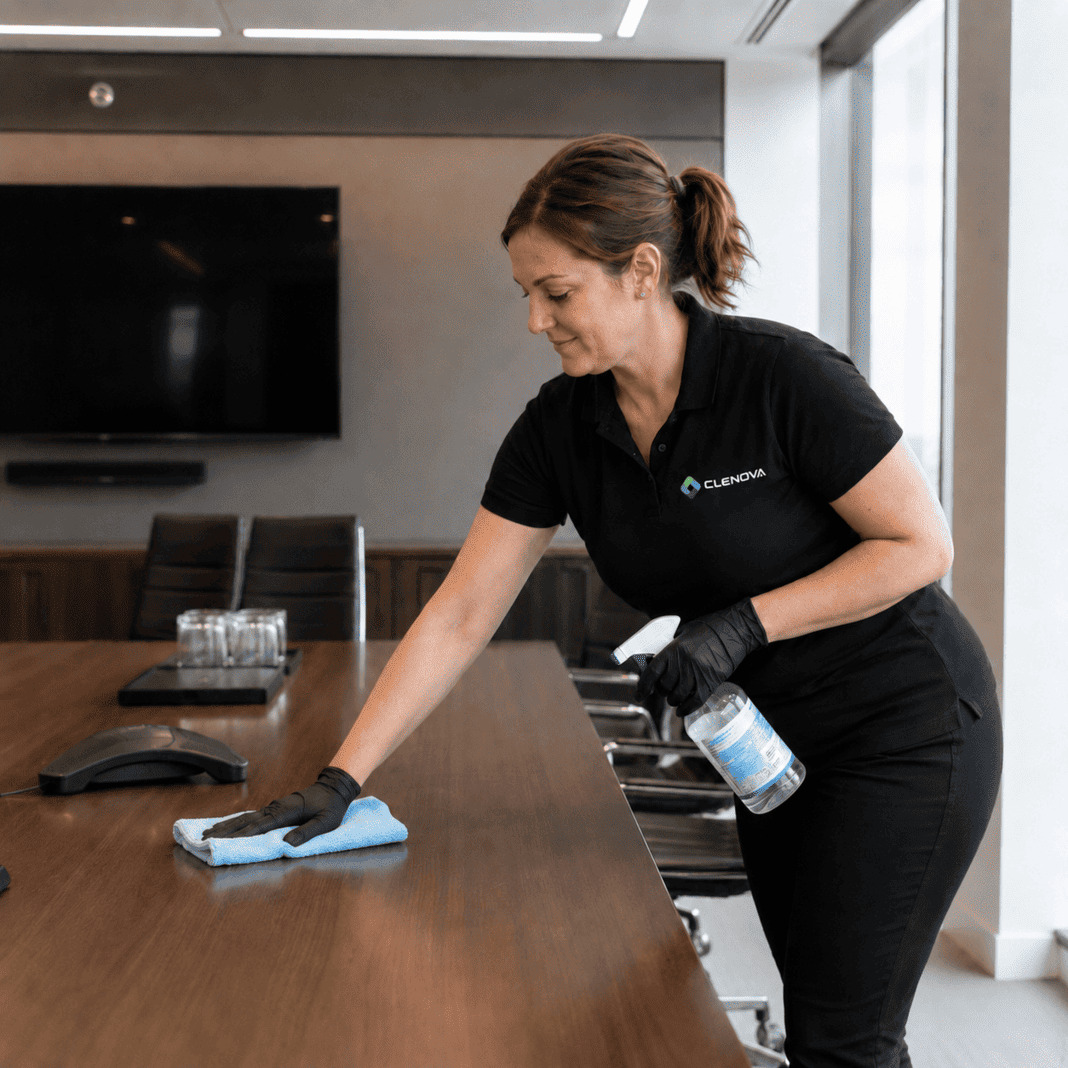
Contracted hours only have value if the provider can check attendance and follow up exceptions. Without attendance monitoring, a missed visit or late arrival can become your problem before the contractor even knows about it.
Quality checks work in the same way. Without site inspections, small issues can turn into a pattern of repeated emails, staff complaints and awkward conversations with building users. With proper checks, the contractor has a way to spot service drift, record the issue and put corrective action in place.
At Clenova, we use digital time and attendance monitoring alongside regular quality checks so contracted hours and service standards can be followed up properly. That does not mean issues can never happen. It means the contract has a management structure for dealing with them, instead of leaving you to act as the unpaid contract manager.
Direct management accountability matters most when something goes wrong. A vague promise to “sort it” gives you no clear route, no owner and no measure of whether the problem has been fixed. A named corrective action process gives the issue somewhere to go, which is the difference between a complaint being logged and a complaint becoming a monthly routine.
The better value contract is the one you can audit, adjust and rely on
A better value cleaning contract makes its assumptions visible before you sign. The scope, service frequency, contracted hours, products, equipment, cover arrangements, site inspections and escalation route should be clear enough for you to audit the service later.
Security-sensitive sites add another layer, but they do not need to turn the buying process into paperwork theatre. DBS checks where required, site-specific procedures, access controls and confidentiality arrangements should be handled as part of the contract discussion, then built into the operating plan.
One buying approach accepts the lowest figure because it looks efficient in the budget line. Another checks whether the contract can actually deliver the standard, attendance and communication the premises need month after month. The second approach takes more care at the start, but it leaves less room for hidden cost, repeated intervention and service drift later.
Frequently asked questions
Should I choose the cheapest cleaning company?
You should choose the cheapest cleaning company only if the lower price reflects a clearly reduced scope that still fits your premises. If the quote appears to promise the same service with fewer hours, less cover or unclear oversight, the saving is likely to create extra management work.
What should be included in a commercial cleaning contract?
A commercial cleaning contract should set out the areas covered, visit frequency, contracted hours, cleaning tasks, products, equipment, access arrangements, cover process and issue escalation route. A clear cleaning specification makes it easier to compare quotes fairly.
Why are commercial cleaning quotes so different?
Commercial cleaning quotes differ because providers make different assumptions about labour time, supervision, cover, products, access and quality checks. Similar wording can hide very different levels of service, so the detail behind the quote matters more than the headline price.
What happens if the cleaner does not turn up?
A well-managed contract should have a process for attendance monitoring, exception follow-up and cover where required. Without that structure, your team may have to chase the issue and manage the disruption itself.
Who supplies cleaning products in a commercial cleaning contract?
Cleaning products may be supplied by the contractor or by the client, depending on the agreement. The contract should state this clearly, including consumables, equipment and any site-specific product requirements.
This is general information, not professional advice.