
How does data centre cleaning work in practice?
Data centre cleaning works as a controlled site service: we assess the room, agree the scope, manage access, clean only approved areas, then check and report. The aim is to reduce contamination and service risk around live or sensitive information technology spaces, without leaving standards to day-of judgement.
A good data centre cleaning process starts long before a cleaner reaches the data hall, server room or communications room. We look for the conditions that decide how the job should be done: who controls access, which areas are live, where cabling runs, what can be touched, and which areas need client approval before work starts.
A typical controlled process looks like this:
- The contractor surveys the room and confirms the working scope. Rack exteriors, floor surfaces, cable routes, raised floor voids and ceiling voids are all separate decisions, because each area carries different access and handling rules.
- Access, timing and exclusions are agreed with the right people. Facilities, security and information technology teams may all need to sign off the working window, especially in secure London buildings.
- A method statement and risk assessment are prepared. The method statement explains how the work will be done, and the risk assessment sets out the hazards and controls.
- Cleaning follows the agreed method. The team should control dust movement, avoid unapproved contact with equipment and keep to the approved areas.
- Supervision, attendance records and a post-clean report make the service accountable. The report should record what was completed, what was excluded and what needs follow-up.
That sequence matters because data centre cleaning is a managed operation, not a loose set of cleaning tasks.

Table of Contents
Data centre cleaning has a different risk profile from office cleaning
Data centre cleaning differs from office cleaning because the work takes place around restricted access, sensitive equipment environments and contamination controls. Office cleaning protects workplace presentation and hygiene; data hall cleaning also has to respect live infrastructure, airflow, static risk and site security.
| Office cleaning focus | Data centre cleaning focus |
|---|---|
| Desks, floors, washrooms and shared spaces | Data halls, server rooms and communications rooms |
| Presentation, hygiene and user comfort | Contamination control, access discipline and equipment surroundings |
| Normal building access patterns | Escorted access, restricted zones and approved working windows |
| Standard product and equipment choices | Site-approved methods, anti-static materials and controlled dust removal |
| Visual standards checked by workplace users | Records, supervision and issue reporting checked by facilities or information technology teams |
Contamination control is the point many proposals skate over. Dust is not just dirt in this setting. Conductive particles, airborne particulates and material such as zinc whiskers are treated seriously because they can affect sensitive equipment environments.
Manufacturers also set environmental expectations. Dell server environmental specifications refer to ISO Class 8 under the International Organization for Standardization standard ISO 14644-1, and state that air entering the data centre should have Minimum Efficiency Reporting Value levels MERV11 or MERV13. A cleaning contractor does not turn that into a certificate by using the phrase in a proposal, but the reference shows why data centre cleaning needs discipline around dust and airflow.
Security has moved up the agenda as well. UK data centres received national infrastructure status in 2024, so contractor access, vetting where required, supervision and records now sit much closer to resilience planning than many older cleaning specifications suggest.
A credible contractor checks the site before work begins
A contractor cannot judge a server room from room size alone. Two rooms with the same floor area can need very different cleaning plans if one has raised floors, restricted racks, layered building access, recent works or product controls set by the information technology team.
During the survey, we want the practical constraints on the table early. A loose quote based on square metres misses the things that decide whether the work is controlled.
Useful checks include:
- Which rooms and zones are in scope, including any data hall, server room, communications room or plant-adjacent area.
- Whether rack exteriors, subfloor voids, cable routes or ceiling areas need cleaning, and who must approve that work.
- How operatives will enter, sign in, move through the building and leave.
- Which products and equipment are permitted on site.
- Who supervises the clean and who receives the report afterwards.
At Clenova, we treat the site visit as the point where scope, access and accountability are set, instead of treating it as a quick pricing formality. Across London and Greater London, the access arrangements alone can change the job, because secure buildings may involve visitor logs, keys, alarm procedures, escorted working and different permissions for different rooms.
Control of Substances Hazardous to Health, known as COSHH, also belongs in this pre-work stage. The Health and Safety Executive is clear that employers need to give information about hazards, risks and control measures, plus instruction and training where workers may be exposed to substances hazardous to health. In plain terms, a product sheet on its own is not enough; the contractor must know how the product will be used on your site.

Delivery and evidence both matter on the day
During the visit, the cleaning team should follow the agreed method and keep within the approved scope. A data hall clean should not expand casually into extra areas because someone noticed dust behind a panel or under a raised floor tile.
Controlled work on site
Operatives should arrive with the right identification, understand the access rules and know who is supervising the work. High-efficiency particulate air vacuuming, often shortened to HEPA vacuuming, microfibre wiping and anti-static materials can all have a place, but tools are only useful when they match the agreed task.
Raised floor access is a good test of discipline. If subfloor cleaning has been agreed, the team needs clear permission, safe handling rules and awareness of cabling. If it has not been agreed, the area should be logged as an issue or recommendation, not opened because it looks convenient.
Evidence after the visit
The clean is not finished when the team leaves the room. Your record should show attendance, completed areas, exclusions, issues found and any follow-up actions. That protects the facilities team as much as the contractor, because everyone can see what happened and what still needs a decision.
At Clenova, we use management oversight, digital time and attendance monitoring and quality checks to keep specialist cleaning accountable. That matters in a data centre setting because informal handovers leave too much to memory, especially where access, scope and operational restrictions are tight.

Cleaning frequency should follow site conditions
Data centre cleaning frequency should follow the conditions in the room, not a fixed template. Traffic, nearby works, room design, filtration, visible contamination and equipment sensitivity all change the right schedule.
A server room that sits behind controlled access and sees limited footfall will not need the same pattern as a room affected by contractors, equipment changes or building works. Post-construction cleaning also needs separate thought, because dust created by works can settle in places that normal maintenance cleaning does not reach.
We recommend reviewing frequency when something changes on site. A change in room use, new equipment, visible dust build-up, altered access patterns or recent construction activity should prompt a fresh look at the schedule. The right answer is the one that keeps the environment under control without turning cleaning into unnecessary disruption.
Over the next 12 to 24 months, buyers should expect greater scrutiny of evidence around data centre contractors. The UK government has said that data centres meeting relevant thresholds will be brought within scope under the Network and Information Systems Regulations 2018 framework, with Ofcom named as the operational regulator under the proposed approach. For cleaning contracts, that points to a simple direction of travel: access discipline, documented work and accountable follow-up will matter more, not less.
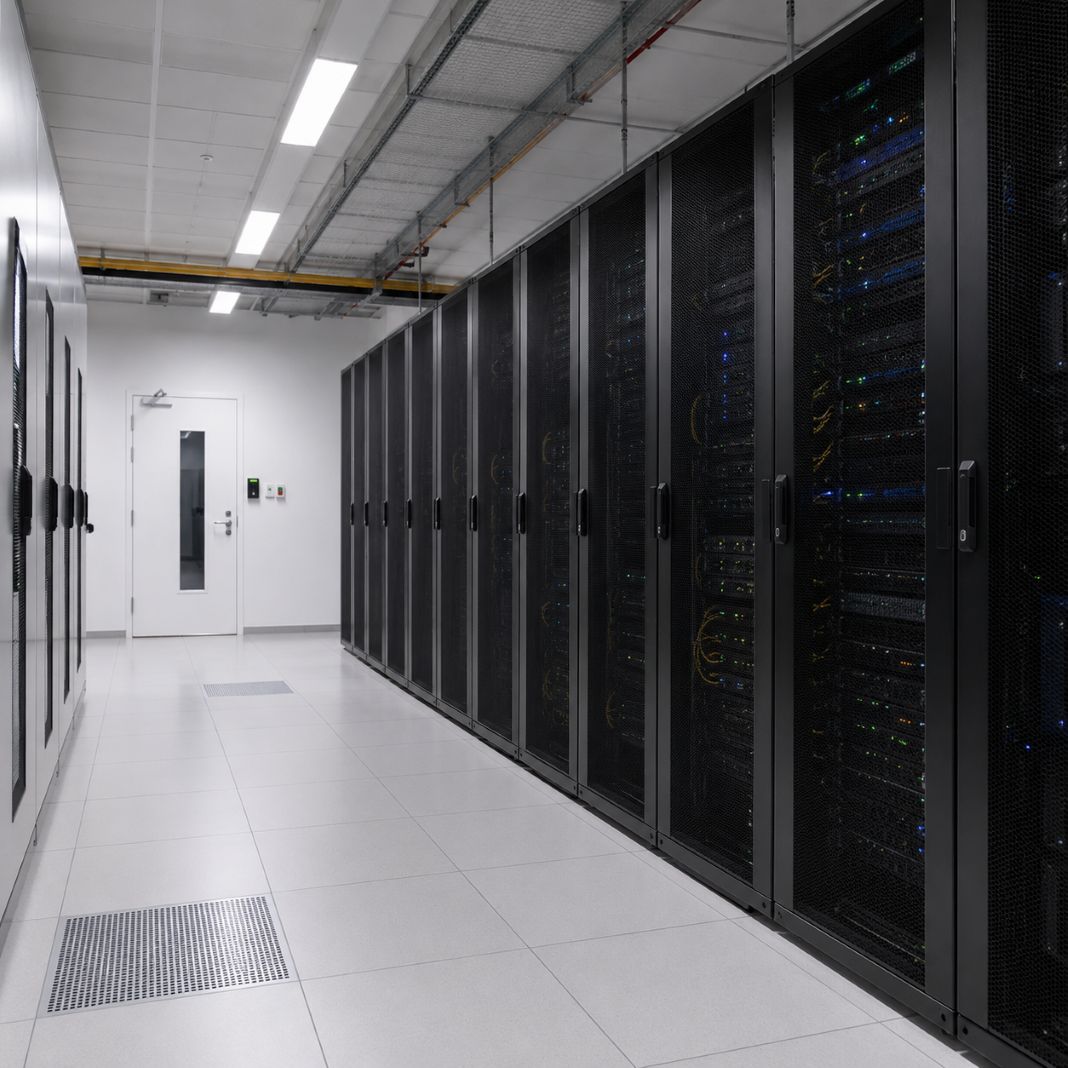
Questions we get asked about data centre cleaning
Can data centre cleaning be done around live servers?
Cleaning can be planned around live environments when the scope, access rules and exclusions are agreed in advance. The contractor should not touch or open equipment unless that work has been approved by the right site team.
Do cleaners go under raised floors in a data centre?
Subfloor cleaning can be included where it is agreed during the survey and approved by the client. Raised floor work needs clear handling rules because cabling, airflow and access restrictions change the risk profile.
What equipment is used for server room cleaning?
Common equipment includes high-efficiency particulate air vacuums, microfibre cloths and anti-static materials, selected to match the agreed scope. The equipment matters less than how it is controlled, supervised and kept within approved areas.
What should a post-clean report include?
A useful report should confirm what was cleaned, what was excluded, who attended and what issues need follow-up. It should give facilities and information technology teams a clear record, not a vague statement that the room was completed.
Can a normal office cleaning team clean a server room?
A normal office cleaning team should not be sent into a server room without site-specific instruction, supervision and approved methods. The room may look simple, but access, equipment sensitivity and contamination controls make it a different working environment.
This is general information, not professional advice.