
What’s included in a commercial office cleaning service?
A commercial office cleaning service usually covers routine cleaning of desks, floors, bins, kitchens, washrooms, touchpoints and shared areas. The exact answer sits in the written scope: it must say what is cleaned, how often we attend, what costs extra and how attendance and quality are checked.
No universal office cleaning package fits every workplace. A quiet admin office, a multi-floor London headquarters and a shared building with landlord-managed waste areas all need different cleaning schedules. The useful question is what is included in commercial office cleaning and how clearly each inclusion is defined.
Here is the clearest way to compare office cleaning service inclusions:
| Usually included in routine office cleaning | Often extra or contract-specific |
|---|---|
| Desk and workstation surface cleaning, where access is clear | Carpet extraction or specialist carpet treatment |
| Vacuuming or mopping floors | Upholstery cleaning |
| Emptying office bins into the agreed waste area | External window cleaning |
| Cleaning kitchens, tea points and shared counters | Floor polishing, sealing or specialist floor care |
| Cleaning toilets and washroom surfaces | High-level dusting and access-led cleaning |
| Wiping agreed touchpoints such as handles and switches | Planned deep cleans outside the routine schedule |
A written cleaning specification, sometimes called a scope of works, should remove guesswork. It should name the areas, tasks, visit frequency, service standards, exclusions and any supplies or access arrangements. Without that, two quotes can look similar on price and mean very different things in practice.
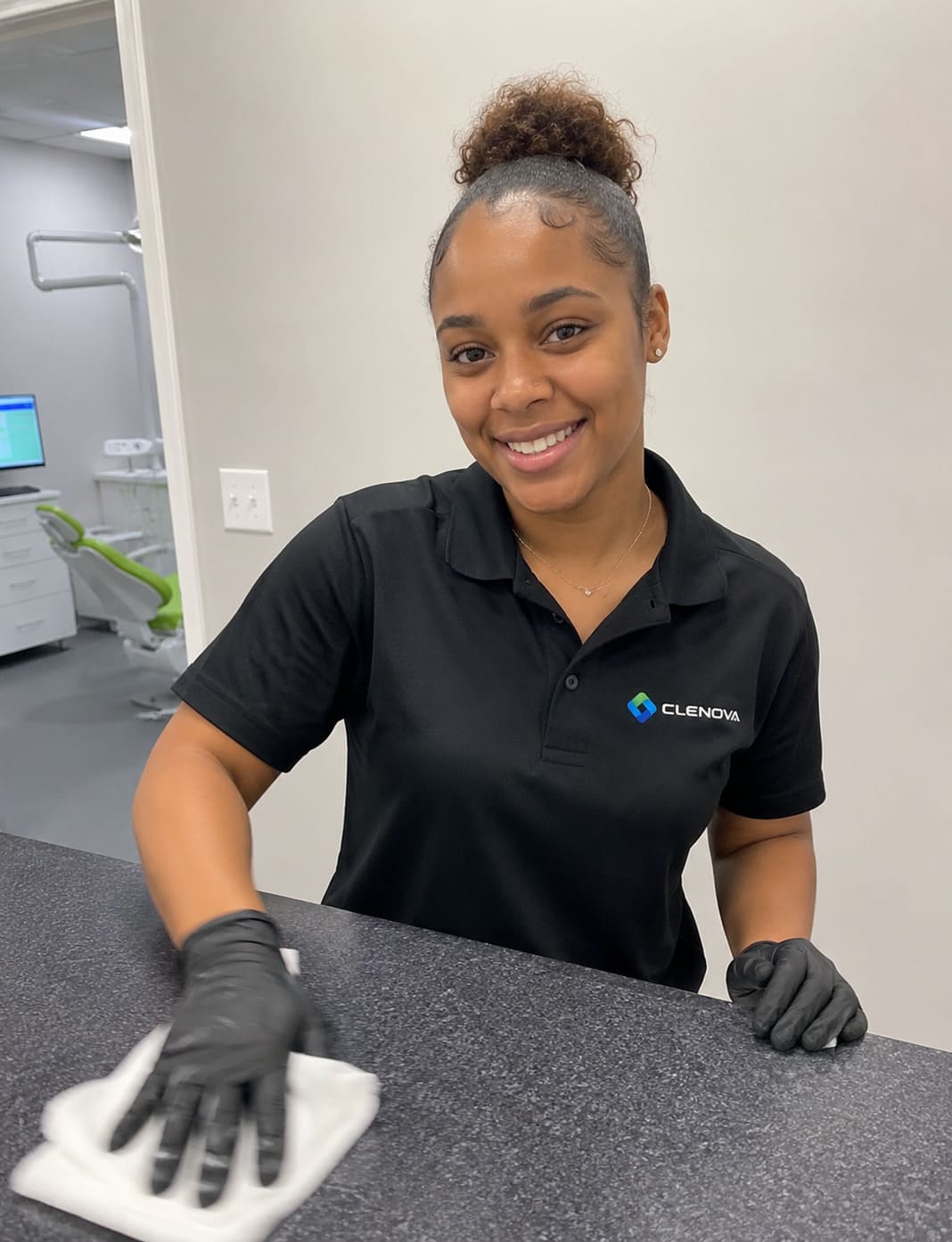
Table of Contents
Routine office cleaning is built around frequency, not a universal package
Visit frequency decides whether a task is useful in the real workplace. A commercial cleaning schedule should state which areas we clean daily, which areas we clean weekly and which tasks sit in a planned periodic programme.
Daily cleaning should protect the areas people use most
Busy areas need the closest attention because standards slip fastest where people work, eat, meet and move through the office. Daily office cleaning tasks commonly cover bins, washrooms, kitchens, floors, touchpoints, meeting rooms and shared areas. Desks are commonly included too, but only where your desk policy allows access and staff have left surfaces clear enough to clean.
Reducing frequency can lower cost, but the trade-off needs to be visible. If washrooms, kitchens or high-use floors are cleaned too lightly, the saving on paper turns into complaints, extra management time and a workplace that no longer matches the standard you expected.
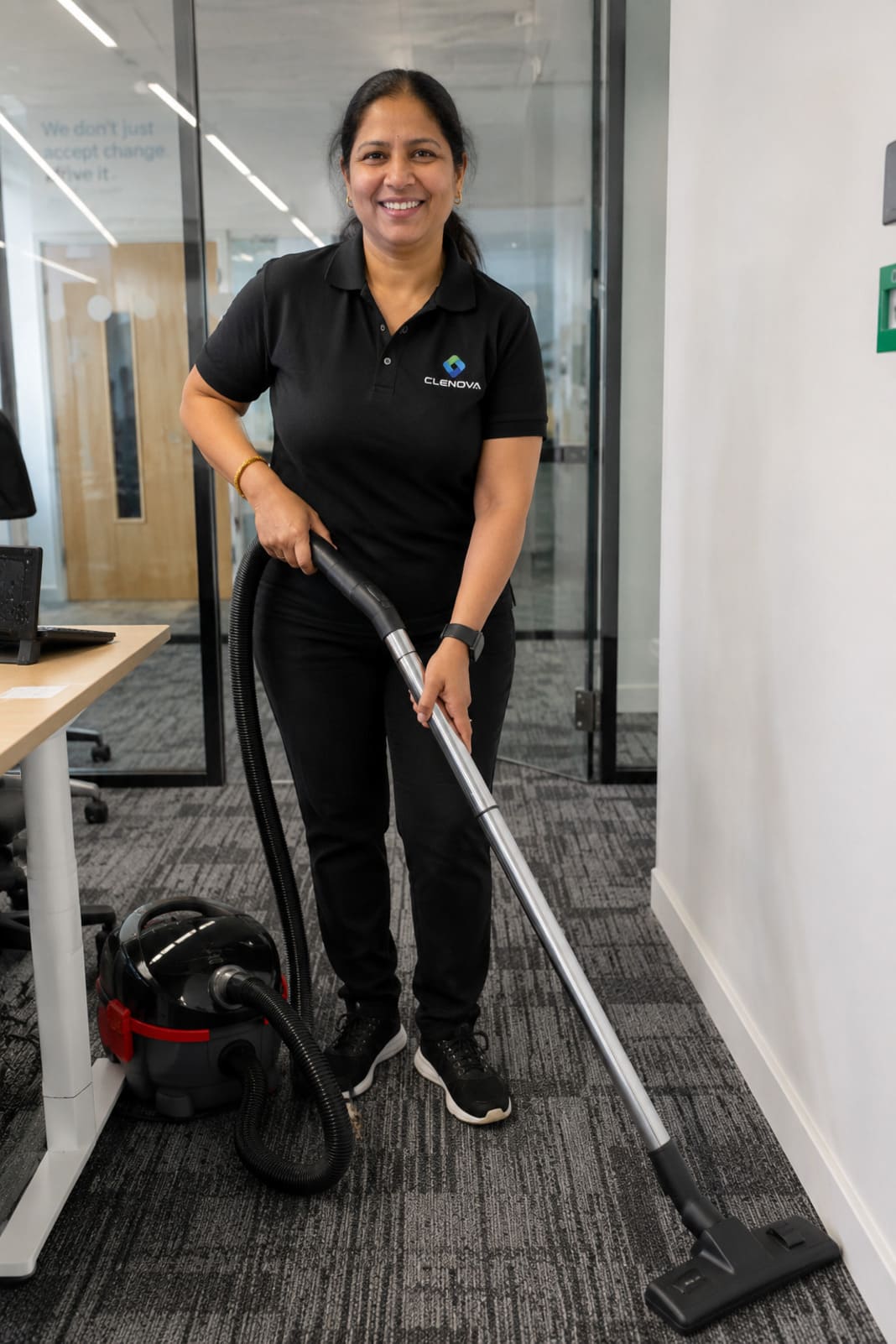
Across London offices, access planning also matters. Lifts, security desks, keys, alarms, multi-floor layouts and shared building rules can affect what we can clean in each visit and how the work is sequenced. At Clenova, we look at those practical details before we treat a task list as workable because a schedule that ignores access will fail during delivery.
Weekly and periodic tasks should be scheduled, not assumed
Lower-use rooms, internal glass, detailed dusting and less visible areas may sit better on a weekly or periodic cycle. That does not make them optional; it means the contract should say exactly when they are handled and to what level.
A good office cleaning specification separates routine work from scheduled work. The wording should make clear whether internal glass means wiping entrance panels and meeting room marks, or a wider programme across partitions and doors. Similar care applies to skirting, chair bases, low-level dusting and storage areas because these tasks become disputed when the contract uses broad wording.
Specialist cleaning should not be hidden inside vague office cleaning wording
Specialist cleaning belongs in the contract only when it is named, priced and scheduled. Routine office cleaning can support presentation day to day, but deep cleaning, carpets, upholstery, external windows, floor care and high-level cleaning need clearer wording.
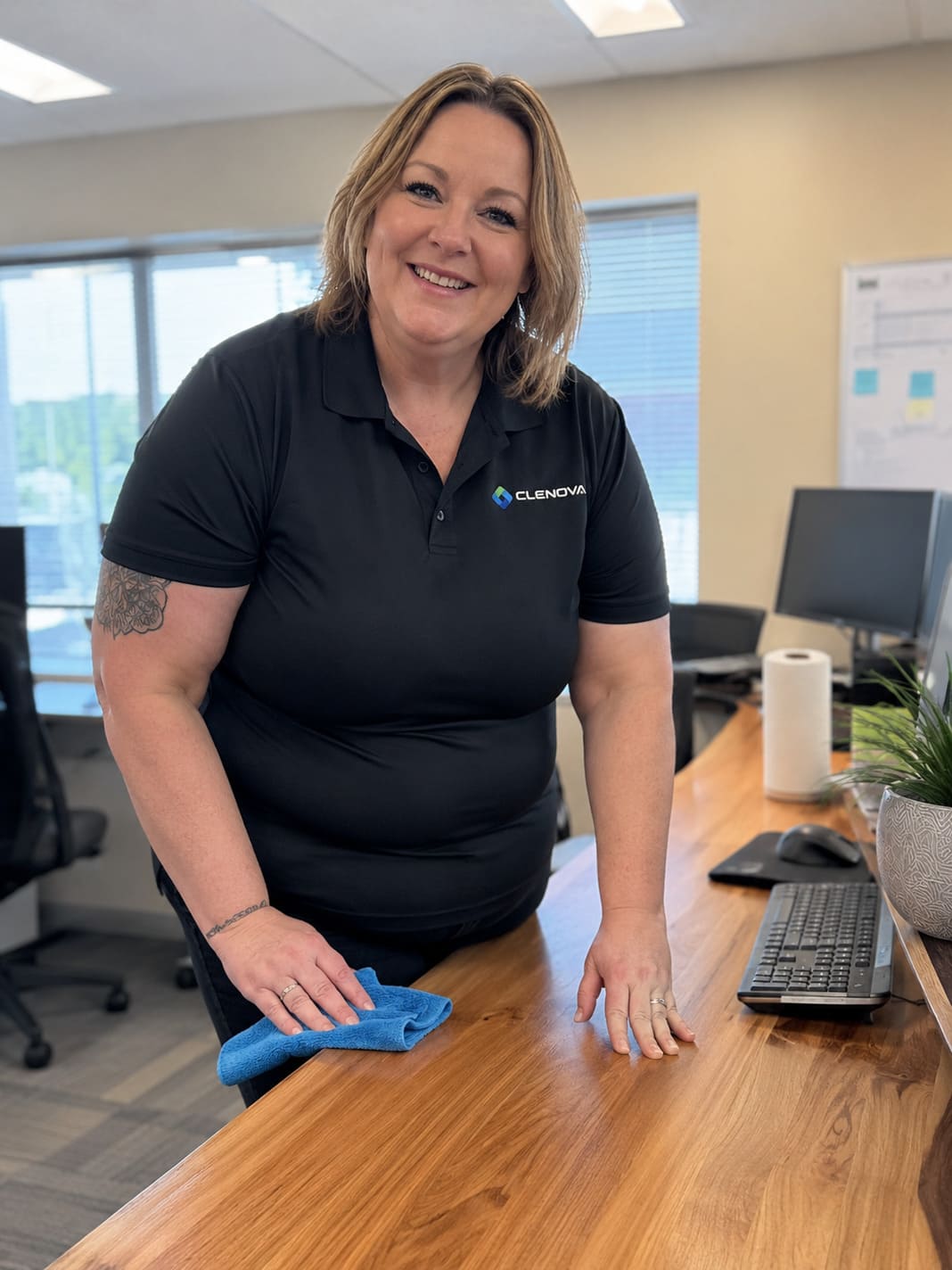
Carpets show the difference neatly. Vacuuming a carpet during routine cleaning is a normal office task. Specialist carpet cleaning is separate work because it uses different equipment, planning and drying time. If a proposal simply says “carpet cleaning included”, we would want the method, areas and timing written down.
Windows create another common gap. Internal glass touch-ups in doors or meeting rooms are not the same as external window cleaning. Access, safety arrangements and building rules can change the service completely, especially in shared or managed London buildings.
Deep cleaning also needs plain language. An office deep clean can be planned before a reopening, after works, during a seasonal programme or to deal with areas that routine visits do not cover in full. Vague wording such as “all cleaning included” gives you less protection than a shorter specification that names exactly what will happen.
Waste, washrooms and products need named responsibility
Bins, washrooms and cleaning products are common grey areas in office cleaning contracts. A proper scope should say who empties which bins, who manages consumables, who supplies products and equipment, and how product safety is handled on your site.
Emptying office bins is not the same as arranging waste collection. We can move waste from agreed points to the right internal or landlord-managed area, but collection duties and trade waste arrangements need clear ownership in the contract. Since workplace recycling rules in England changed on 31 March 2025, GOV.UK guidance says offices must separate dry recyclable materials, food waste and non-recyclable waste before collection, with micro-firms under the stated size threshold having a later deadline.
Washrooms need the same clarity. Cleaning toilets, basins, floors and touchpoints is one inclusion. Supplying soap, towels or other washroom consumables is another. The Health and Safety Executive is clear that workers need access to toilets and hand basins with soap and towels or a hand-dryer, so responsibility for replenishment should never be left to assumption.
Products and equipment can be supplied by us, by you or through a mixed arrangement. Each option can work, but the contract should name it. Product safety also needs site-specific handling: a safety data sheet is useful information, but it does not replace a COSHH risk assessment because the assessment has to relate to the actual workplace and tasks.
A cleaning contract without attendance checks and follow-up is unfinished
A task list is unfinished unless the contract also explains how delivery is checked. A managed office cleaning service should include attendance monitoring, cover arrangements, quality checks and a clear route for correcting issues.
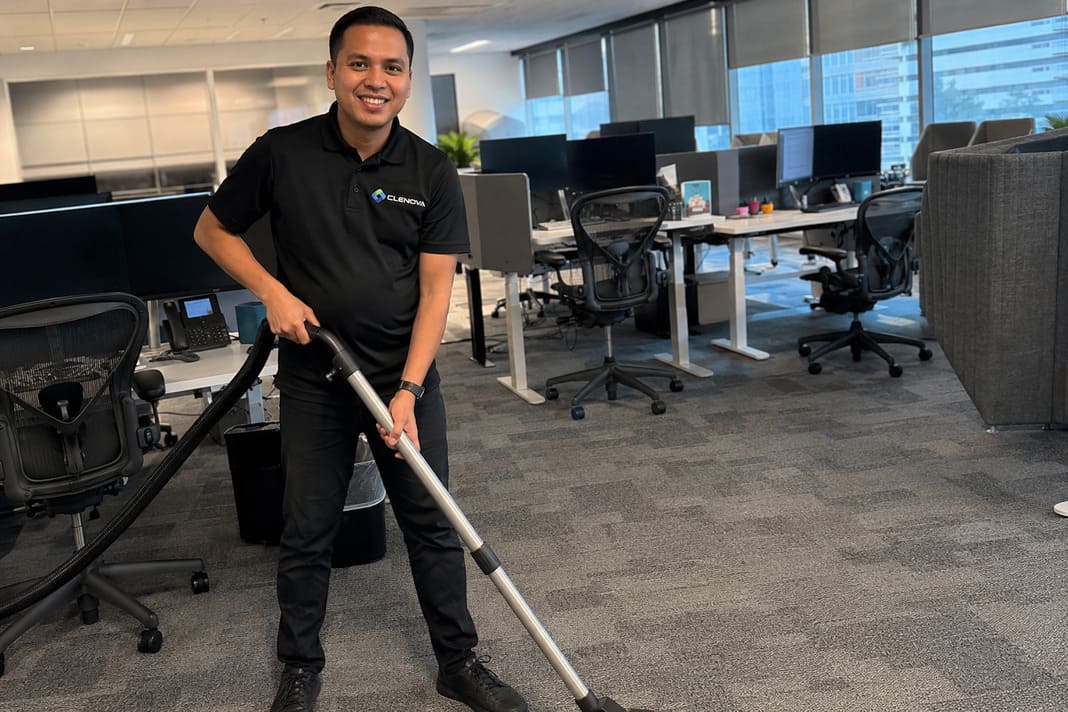
Contracted hours only have value if someone checks that they are delivered. Digital time and attendance monitoring gives the contract a practical control point because it records attendance rather than leaving you to infer it from how the office looks the next morning. At Clenova, we use that kind of attendance verification alongside regular site inspections and quality checks, so the service is managed after the first few weeks rather than left to drift.
Absence cover needs the same discipline. Sickness, holidays and staff changes are normal operational realities, so the proposal should explain how cover operatives or supervisors are used when the regular cleaner is unavailable. A workplace manager should not have to chase basic continuity every time one person is off.
Follow-up also belongs in the service, not outside it. If standards fall, the contract should identify who reviews the issue, who speaks to the operative if needed, who records the corrective action and who checks the result afterwards. Direct management access matters here because a slow chain of messages turns a small service issue into your problem.
The better question is what is included in a commercial office cleaning service? The better question is what will be cleaned, how often will it happen, and who is accountable when the standard needs attention? Once you judge proposals that way, the longest checklist stops being the most persuasive document. The clearest managed scope wins.
Frequently asked questions
Does office cleaning include desks?
Office cleaning commonly includes desk and workstation surfaces where the contract says so and where surfaces are clear enough to clean. If staff leave papers, devices or personal items across the desk, the cleaner may be limited to accessible areas only.
Are cleaning products and equipment always included?
Cleaning products and equipment are included only where the contract says they are included. Some workplaces prefer the contractor to supply them, while others use client-owned stock or a mixed arrangement.
Is carpet cleaning part of routine office cleaning?
Routine office cleaning usually includes vacuuming carpets, but specialist carpet cleaning is a separate planned service unless the contract includes it. The scope should name the carpet areas, timing and treatment so there is no confusion.
What should an office cleaning specification include?
An office cleaning specification should name the areas, tasks, frequency, access arrangements, supplies, exclusions, attendance checks and quality follow-up. Clear wording makes quotes easier to compare and reduces gaps once the contract starts.
How do shared buildings affect office cleaning?
Shared buildings can affect access, lifts, security desks, waste rooms and landlord-managed areas. Your cleaning plan should reflect those rules so the cleaner can carry out the agreed work without delays or unclear responsibility.
This is general information, not professional advice.