
How do you switch commercial cleaning providers without disrupting your workplace?
You switch safely by treating the change as a managed handover: confirm the contract position, agree one internal owner, brief the new provider properly, lock down access, and check attendance and quality from the first clean. The aim is controlled change, not a same-day swap.
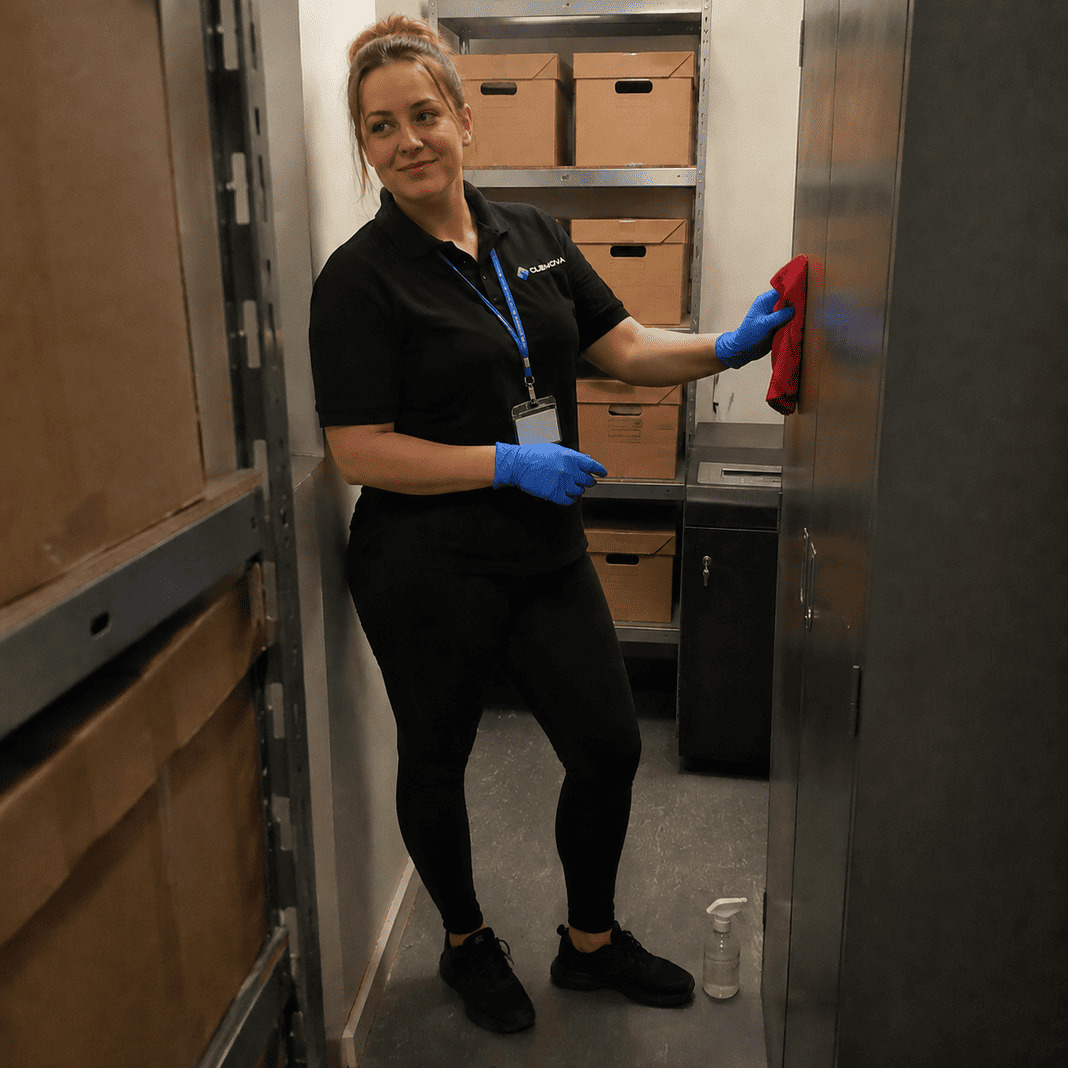
Table of Contents
A smooth cleaning provider switch starts with controlled disruption, not a rushed replacement
Most disruption begins before launch day. Missed cleans, unclear access and staff complaints usually come from gaps in ownership, weak site information or a handover that treats cleaning as a rota instead of a managed commercial cleaning contract.
A smooth switch needs one internal owner. That person should control dates, approvals, site information, keys, access rules and the escalation route. Without that single point of control, the outgoing provider, incoming provider, landlord, security desk and internal teams can all receive different versions of the same instruction.
Use a simple sequence to keep the cleaning contract transition under control:
- Diagnose the failure. Separate attendance problems, quality issues, poor supervision, access problems and unclear scope before you appoint anyone new.
- Review the existing contract. Check the notice period, expiry date, termination clause, service levels, supplies and escalation route.
- Create a clear site brief. Give the new provider the real scope of work, not a cleaned-up version of what you wish the contract looked like.
- Plan mobilisation. Agree cleaning times, staff cover, equipment, consumables, supervision and the first quality checks before the start date.
- Control access. Confirm keys, alarm codes, access cards, building rules and authorised contacts before the first clean.
- Protect week-one continuity. Make sure someone checks attendance, first-clean standards and any obvious gaps quickly.
- Review early performance. Use attendance records, site inspections and corrective action notes to stop small issues becoming the new routine.
Changing cleaning contractor should reduce your management burden, not create another job for you. Speed matters less than control because a rushed appointment can carry the same old problems into a new contract with a different name on the invoice.
The existing contract tells you what can change and when
Your current cleaning agreement sets the timing for the switch. Notice periods are contract-specific, so no responsible provider should promise a clean takeover date until the agreement has been checked.
Look for the notice clause, contract end date, service scope, cleaning frequency, supply arrangements and any service-level wording. A workplace can be unhappy with the cleaning and still need to follow the right contractual route. Keeping those two points separate protects the handover from avoidable confusion.
Vague specifications cause vague delivery. If the old agreement says “office cleaning” but does not pin down areas, tasks, frequencies, consumables or access times, the new provider has to rebuild the scope from the site itself. That is useful work, but it takes proper input from you.
Staff-transfer questions can also arise. Acas guidance says TUPE, the Transfer of Undertakings Protection of Employment, can apply where a service transfers to a new provider, including a service provider change involving office cleaning. Acas also says employee liability information, known as ELI, must be given to the new employer at least 28 days before the transfer date. This makes timing a practical planning point.
A mid-contract change may still be possible if the agreement allows it, but the date should follow the contract, the staffing position and the mobilisation plan. Guessing the date first and checking the paperwork later is how a simple switch becomes messy.

A useful site brief prevents the new provider inheriting the same problems
A new cleaning company needs the truth about the site before it can fix the service. A task list says what should be cleaned; a useful site brief explains how the workplace actually runs.
Give the incoming provider enough detail to price the labour, supervision, cover and checks behind the clean. At Clenova, we use the site brief to shape labour, supervision and cover instead of pricing hours in isolation because weak management is often the reason a contract has failed.
Include the handover details that affect delivery from day one:
- Site contacts. Name the internal owner, building management contact, security contact and escalation route.
- Areas and frequency. Confirm offices, washrooms, kitchens, meeting rooms, reception areas, waste points and any areas with different cleaning needs.
- Working times. State whether cleaning happens during the day, out of hours or around building access limits.
- Access and security. Share key rules, alarm procedures, access cards, visitor sign-in and sensitive areas.
- Supplies and storage. Confirm who provides consumables, where equipment is kept and whether storage has restrictions.
- Known service failures. Be direct about missed attendance, poor standards, complaints, uncleaned areas or supervision gaps.
- Documents required. Ask for RAMS, meaning risk assessments and method statements, plus safety data sheets where cleaning chemicals are used.
For cleaning chemicals, HSE guidance on COSHH requires employers to assess risks from hazardous substances, including storage, handling, disposal and emergency arrangements. Staff also need information, instruction and training about risks and precautions, so the handover should leave no grey area around products, storage or safe working.
A strong brief gives the new provider a fair starting point. It also gives you a cleaner way to judge whether the new contract is being delivered as agreed.
London workplaces need access and security planned before the first clean
Access is one of the fastest ways for a cleaning handover to fail. Across London and Greater London, workplaces often have building management rules, shared receptions, security desks, landlord approval requirements or out-of-hours entry procedures that must be agreed before cleaners arrive.
Informal arrangements feel quick, but they leave too much to memory. A controlled access handover gives each party the same version of the rules.
| Access issue | Informal handover | Controlled access handover |
|---|---|---|
| Keys | Keys are passed between people without a clear log | Keys are recorded, coded and assigned to authorised holders |
| Alarm codes | Codes are shared verbally or left unchanged | Alarm rules are confirmed, reset where needed and shared only with authorised staff |
| Site contacts | Cleaners rely on whoever happens to be available | Named contacts handle access, issues and approvals |
| Building rules | Landlord or reception requirements are dealt with on the day | Building management and security desk procedures are agreed before the first clean |
| First-clean readiness | Entry problems can delay or cancel the clean | Cleaners know where to enter, sign in, store equipment and report issues |
Sensitive access information should be limited to the people who need it. Keys, alarm details and access cards are part of the service structure, not loose admin to sort out after the contract starts.

The first few weeks prove whether the switch has really worked
The first clean is a launch point, not the real test. The early weeks show whether attendance, standards, cover and management follow-up are working in normal conditions.
Attendance monitoring protects paid hours
Contracted hours only matter if they are delivered. Attendance monitoring gives you a way to check whether cleaners turned up, stayed for the agreed time and followed the planned rota.
At Clenova, we use digital time and attendance monitoring alongside regular quality checks so early issues are visible and followed up. That matters most during mobilisation because the first few weeks reveal whether the labour plan matches the site brief.
Quality checks turn early issues into corrective action
Site inspections and quality checks should start early, not after complaints build up. If washrooms are being missed, waste points are unclear or an out-of-hours cleaner cannot access a floor, those points need recording and correction before they settle into habit.
Cover also needs a plan. The same cleaner or team should stay on site where possible, but sickness, holiday and absence need trained cover operatives or supervisors who understand the building and the scope. When concerns are raised, we aim to respond within the same working day, then investigate and assign corrective action where required.
A managed provider does not wait for the workplace to chase every fault. Early review meetings, attendance checks and supervisor notes give you evidence of whether the contract is stabilising.
A planned handover beats a quick swap over the long term
Two approaches usually appear when a workplace is unhappy with its cleaner. One approach is to replace the provider quickly, issue notice in a hurry, pass over a loose task list and hope the new team works it out. That can look efficient on paper, but it leaves access, staff-transfer questions, cover and first-week standards exposed.
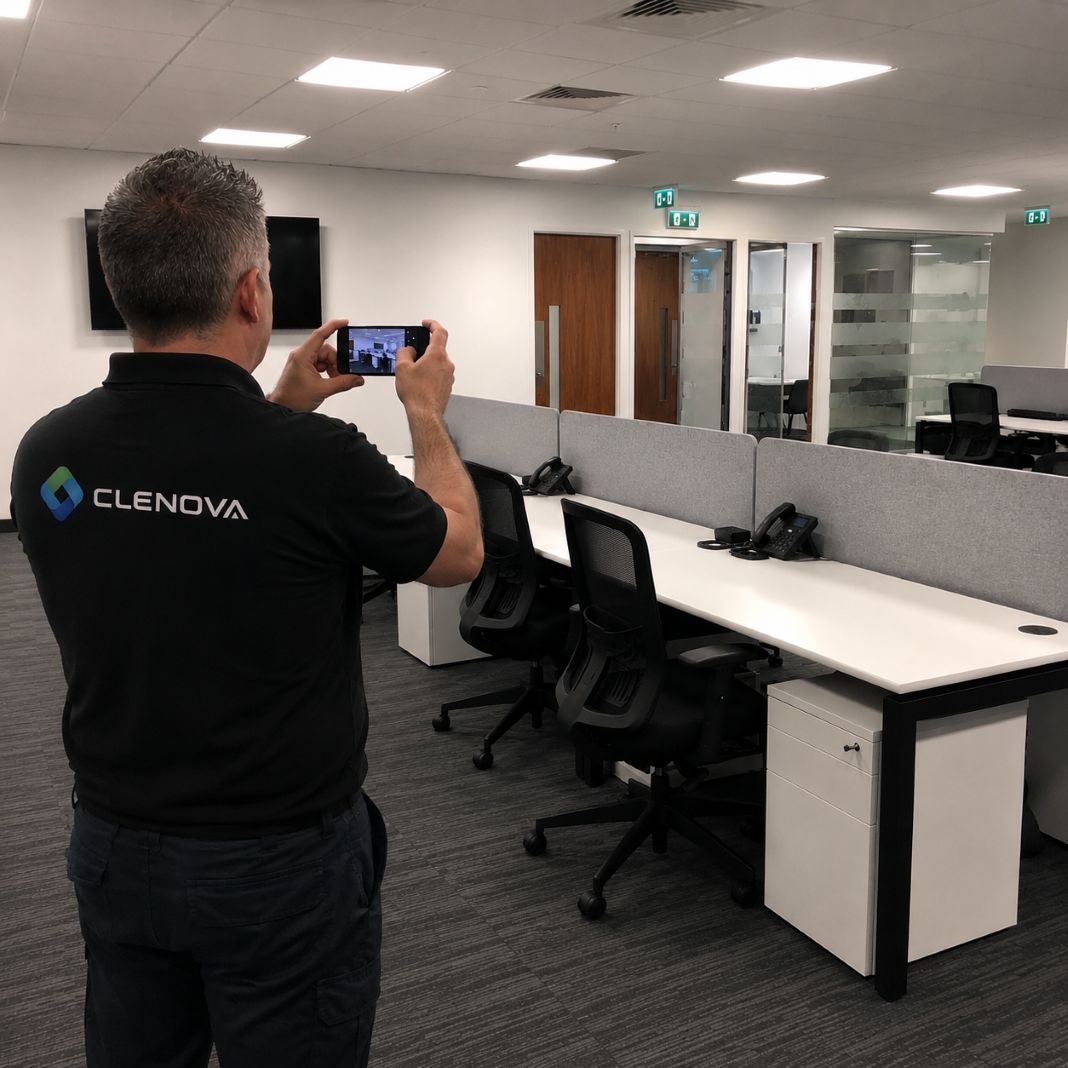
The better approach treats the switch as an operational handover. One person owns the internal decisions, the contract timing is checked, the new provider receives a proper site brief, access is logged, and early performance is measured through attendance and quality checks. That method takes more discipline at the start, but it gives you fewer avoidable problems after the first invoice arrives.
For a London workplace, the long-term difference is simple: a quick swap changes the supplier, but a planned handover changes the level of control.
Frequently asked questions
Can I change cleaning company mid-contract?
You may be able to change cleaning company mid-contract, but the answer depends on your agreement. Check the termination clause, notice requirements and any service-failure process before committing to a takeover date.
Does TUPE always apply when changing cleaning contractors?
TUPE does not always apply, but it can apply where a cleaning service transfers to a new provider. The providers involved should review the staffing position and handle the process properly where it is relevant.
What information does a new commercial cleaning provider need before starting?
A new provider needs the cleaning scope, areas, frequency, access rules, site contacts, known service issues, supplies, storage arrangements and any required safety documents. Honest detail at this stage makes mobilisation cleaner.
How should keys and alarm codes be managed during a cleaning handover?
Keys and alarm details should be controlled through a key log, authorised access list and clear alarm code protocol. Informal sharing creates avoidable risk and can stop the first clean from happening as planned.
How soon should early cleaning performance be reviewed?
Early performance should be reviewed from the first clean onward through attendance checks, supervisor feedback and quality inspections. Waiting too long allows small gaps in scope, access or standards to become routine.
This is general information, not professional advice.