
How can factory cleaning be planned around your production line?
Factory cleaning can run around production when we separate the work properly. Routine areas, access routes and welfare spaces can often be cleaned during live shifts, but machinery cleaning, deep cleaning and higher-risk tasks need downtime, isolation or a planned maintenance window agreed with your site team.
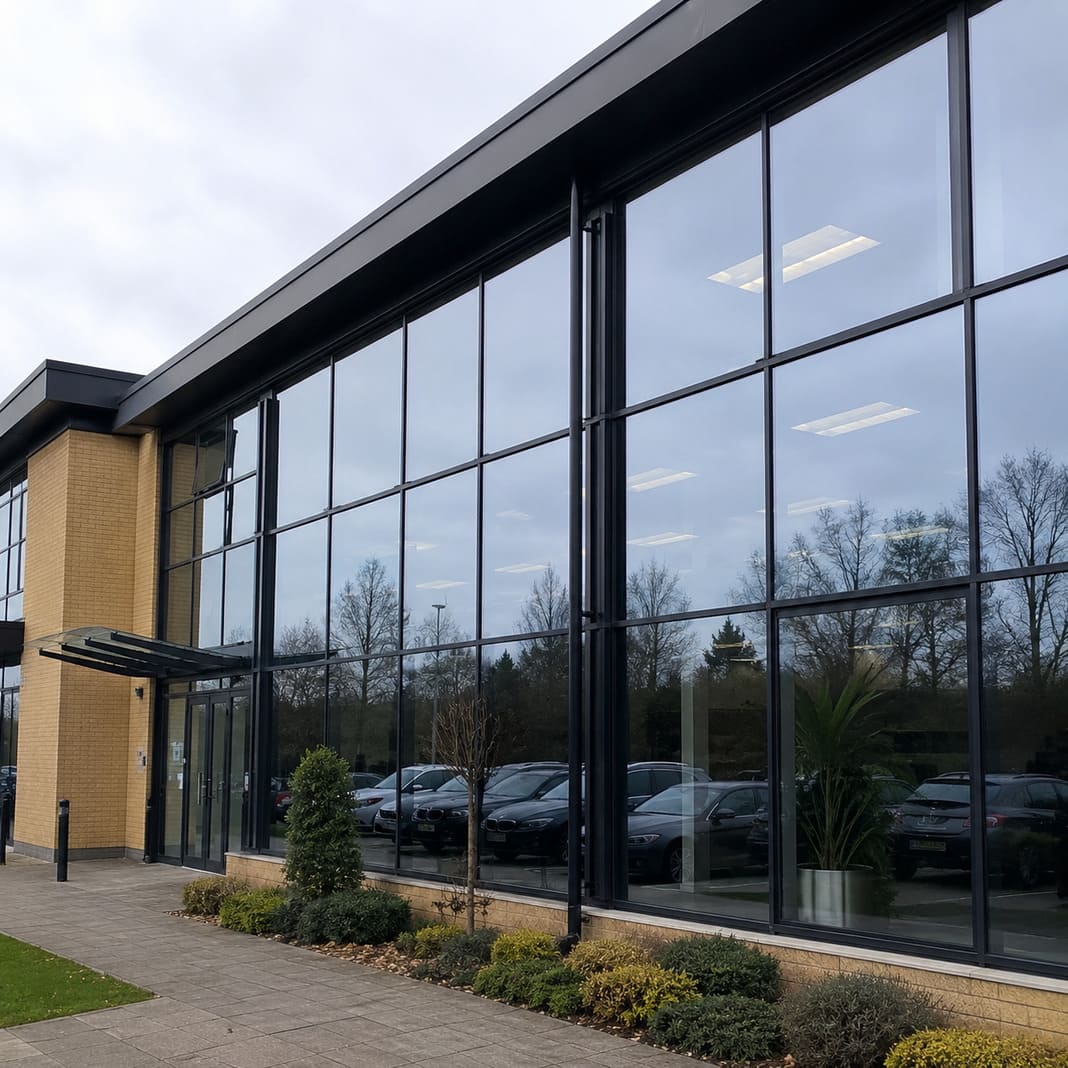
Table of Contents
The short answer is planned separation
Factory cleaning in London works best when the cleaning scope follows the production reality of the site. A working line has movement, restrictions, machinery rules and shift pressures that a normal office-style cleaning plan does not have.
Planned separation means each task is placed into the right operating window. Surrounding areas might be cleaned during production if access is safe and agreed. Machinery cleaning may need the line stopped, isolated or handled within a maintenance slot. Deep cleaning may need a separate shutdown window so cleaning does not compete with production activity.
That boundary matters because “minimal disruption” only means something if the plan says what happens during live work and what waits. The contractor manages cleaning delivery, but your site still needs to provide production schedules, hazards, access rules and operational contacts. Shared information at the start prevents guesswork later.
The site assessment maps the live production line
A factory cleaning site assessment starts by following how the site actually runs. The production line, vehicle routes, waste points, welfare areas and handover contacts all shape the cleaning plan before cleaning hours are agreed.
At Clenova, we use the site visit to understand production flow, access rules and supervision needs before shaping the cleaning plan. Across London and Greater London, local logistics can matter as much as the cleaning task itself. Shared delivery bays, restricted loading times, multi-tenant industrial estates and early access arrangements all affect when cleaners can arrive and where they can safely move.
A useful assessment normally follows this order:
- Production rhythm. The production schedule and shift pattern show where cleaning has to fit, and where it would clash with output.
- Access and movement. Pedestrian routes, vehicle routes, entrances, contractor sign-in and site induction requirements set the safe path through the site.
- Risk points are marked early, including restricted areas, machinery zones, spill-prone areas and any permit-to-work process your site uses.
- Cleaning zones. Production floors, welfare spaces, waste areas and circulation routes are separated so each area has a clear method and timing.
- Handover contacts are agreed with shift leads or named operational contacts, so access issues and changes do not sit unresolved.
The Health and Safety Executive, known as HSE, states that workplaces need safe movement, including safe access and unobstructed floors, corridors and stairs. Separate pedestrian and vehicle routes may be needed. That is why access planning belongs inside the cleaning plan, rather than being treated as an arrival detail.
The schedule separates live-shift cleaning from downtime
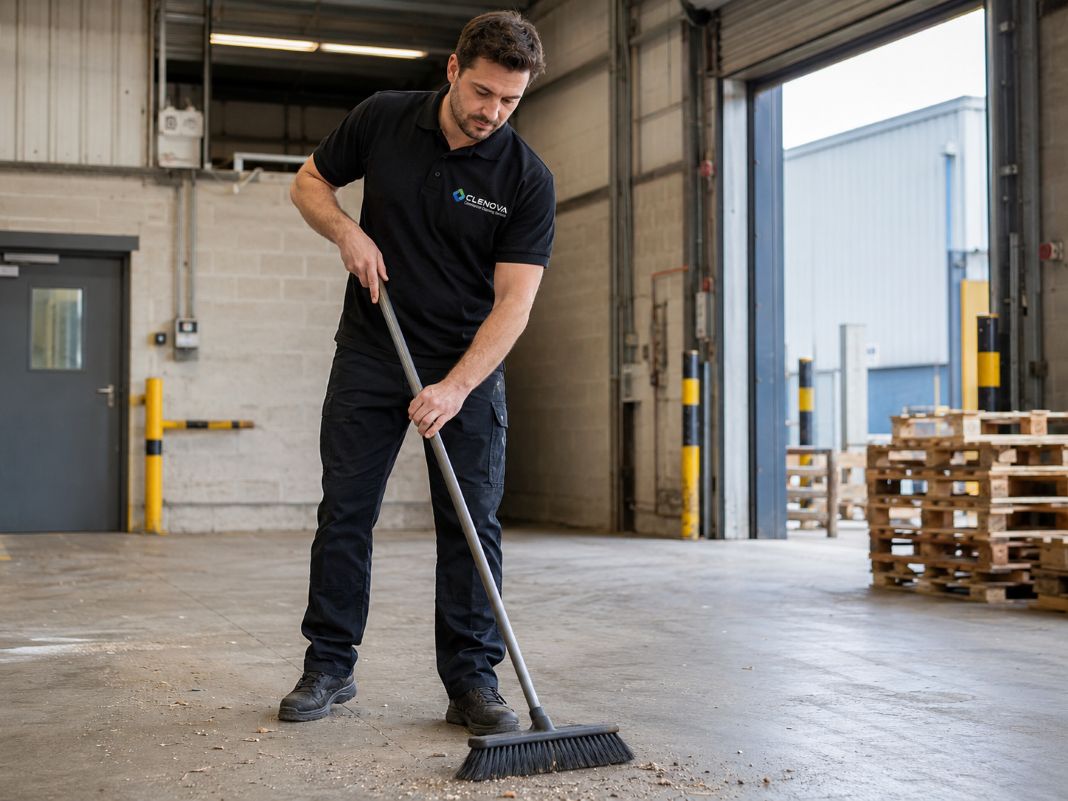
Surrounding walkways and welfare areas may sit in one part of the schedule, while machinery cleaning sits in another. A production line cleaning plan needs that separation on paper so nobody has to make a safety call under pressure.
Here is the broad distinction we use when planning cleaning around a production line.
| Often suitable around live production | Usually planned for downtime, isolation or a maintenance window |
|---|---|
| Welfare areas, offices and staff facilities where access is agreed | Machinery cleaning where site rules require isolation or lock-off |
| Circulation routes and production floor edges outside exclusion zones | Deep cleaning inside restricted production areas |
| Waste container areas and agreed trade waste movements | High-level work or floor care that changes safe access routes |
| Prompt spill clearance when the site procedure allows safe access | Work needing a permit-to-work process where your site uses one |
Your own risk assessment and site rules decide the final placement. Risk assessments and method statements, often shortened to RAMS, should reflect the real layout and the operating state of the line, not a generic factory template.
Cleaning frequency also belongs in the schedule, but no single frequency fits every site. The process, traffic, contamination level, hygiene requirements, risk assessment and your own standards decide how often each area needs attention. HSE workplace guidance includes clean floors and stairs, clean premises, waste containers, prompt spill clearance and regular removal of dirt, refuse and trade waste within workplace cleanliness duties, so routine cleaning and planned deeper work need to sit together.
The safety plan controls access, machinery and substances
A factory cleaning safety plan turns the schedule into controlled work. It states where cleaners can go, what they can touch, which products they use and which tasks need your site team to isolate equipment first.
Site induction, restricted areas and permit rules all need to be clear before the first clean. Cleaners should not have to interpret production hazards from the edge of a line. The safer approach is to agree the method, brief the operatives and keep the supervisor close enough to deal with blocked access or changed production patterns.
Machinery cleaning needs isolation planning
Machinery cleaning is a separate risk category from cleaning nearby floors, walls, waste points or welfare areas. A cleaner wiping an agreed surrounding surface is not in the same position as someone cleaning equipment that can move, trap or expose them to stored energy.
HSE reported in April 2026 that a manufacturing company was fined £340,000 after a worker was seriously injured while cleaning machinery. HSE referred to safe isolation and lock-off before maintenance or cleaning work on machinery. That case is a plain reminder that machinery cleaning cannot be treated as a spare task to squeeze into a shift.
Any machinery restriction should be written into the method before work starts. If isolation, lock-off or a permit is needed, the cleaning plan must wait for that controlled window.
Chemical controls match the task
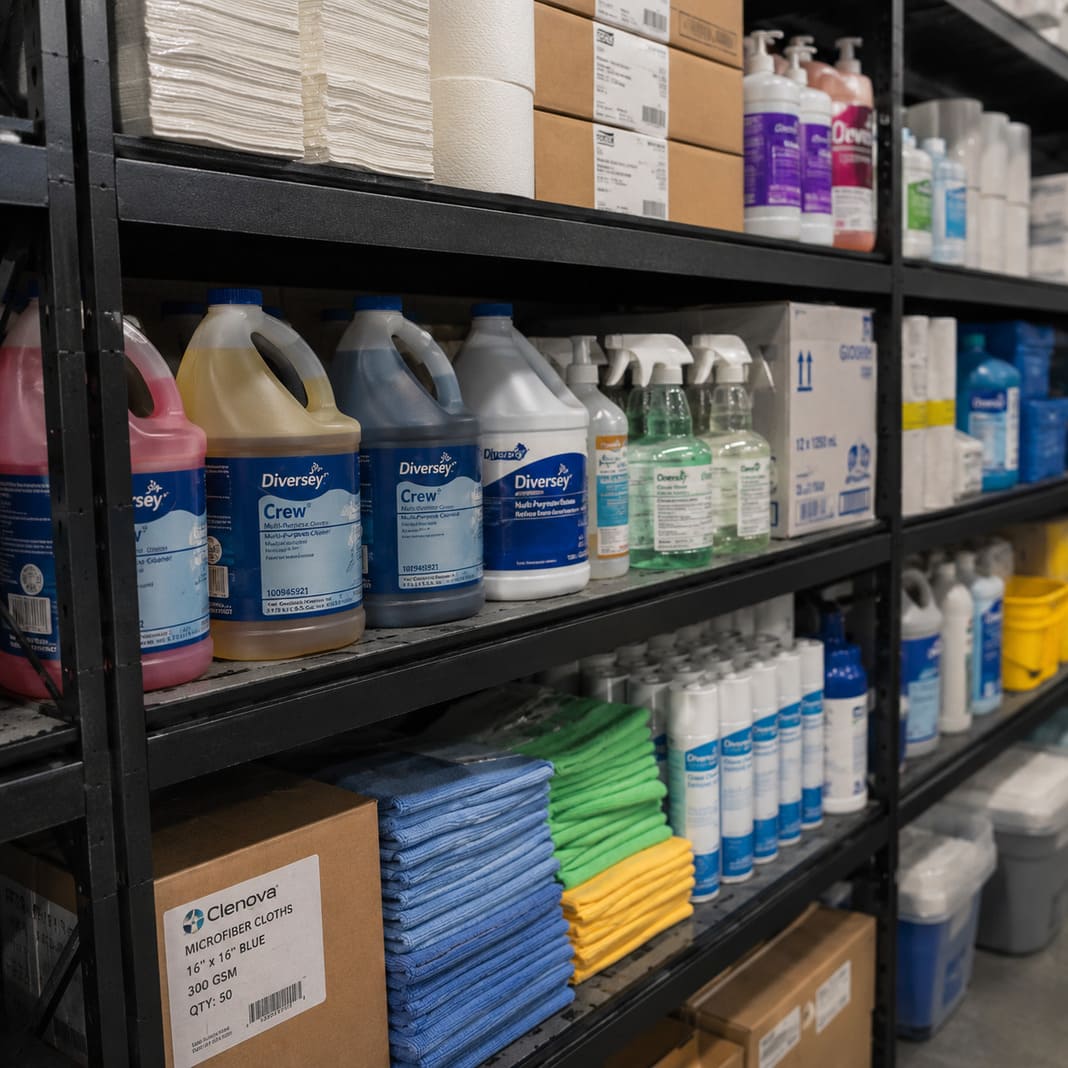
The Control of Substances Hazardous to Health Regulations 2002, usually called COSHH, require hazardous substances to be planned, managed and monitored. In cleaning terms, that means the product, task, surface, ventilation and exposure risk all need to match.
Some cleaning products carry health risks, including skin allergies, asthma, skin burns and eye damage. Safety data sheets, which explain product hazards and controls, help set the method. Personal protective equipment, such as gloves, aprons and eye protection, should follow the task assessment rather than be chosen by habit.
Product storage also matters on production sites. Chemicals need to be kept where they will not create access, contamination or handling problems for your team. These controls should be agreed before work starts, because decisions made at the machine edge come too late.
The management routine keeps production cleaning stable
When production patterns shift, cleaning plans need active management. A plan that worked during one shift pattern can start to fail when access windows move, waste volumes change or supervisors are no longer speaking to the right person.
At Clenova, we treat attendance, supervision and follow-up as part of the cleaning service, not extras. Digital time and attendance monitoring helps verify that the agreed attendance happened and that contracted hours were delivered. It does not replace supervision, but it gives both sides a clearer record than assumption.
Cover has to be trained before it is needed. If a regular operative is absent, a cover cleaner or supervisor needs enough site knowledge to follow the correct access route, respect exclusion zones and understand who to speak to at handover. A production site is a poor place for an unbriefed replacement.
Quality checks should feed back into the schedule. Missed zones, recurring spills, waste build-up or repeated blocked access are not just cleaning defects. They are signals that timing, access or scope needs adjusting. Direct management communication gives your shift leads a clear route for raising those issues without spending time chasing through a generic message chain.
A factory contract stays reliable because someone keeps owning the gap between the written schedule and the line on the day.
The real aim is continuity, not just cleanliness
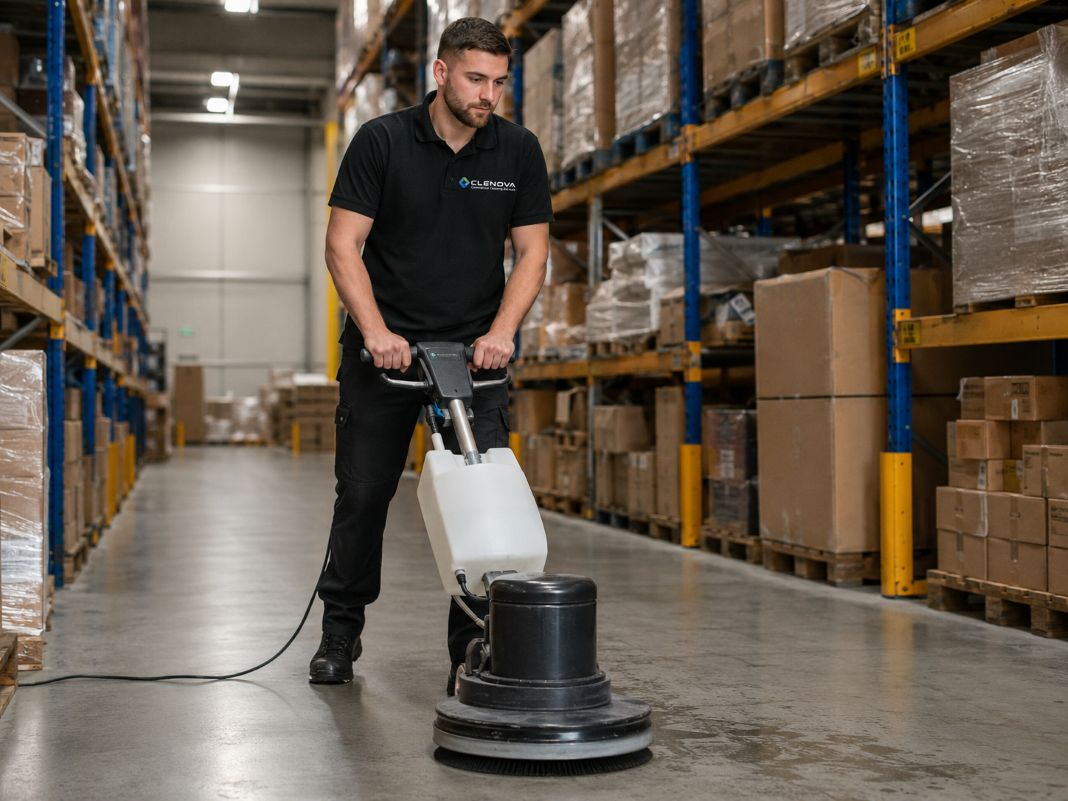
Clean floors, emptied waste points and kept welfare areas matter, but the larger test is whether cleaning supports production continuity. A working production environment does not need cleaners who simply arrive with a task list. It needs a managed plan that respects timing, access, machinery controls and the people running the shift.
The better question is whether the contractor is managed well enough to protect the line while keeping the site clean. That is the lens we use for factory cleaning around a working production line: assessment first, then a schedule that separates live-shift work from shutdown work, with supervision and review to keep the plan aligned.
For an operations manager, that changes the buying decision. You are not buying cleaning hours in isolation. You are choosing the management structure that decides how those hours behave inside a live factory. The right cleaning plan protects the line by respecting how the line works.
Questions we get asked about factory cleaning around production lines
How often should a factory production area be cleaned?
The right frequency depends on the process, traffic levels, contamination risk, hygiene requirements and your site standards. We do not recommend using a fixed frequency until the production flow and risk points have been reviewed.
Do factory cleaners need COSHH training?
Cleaners who handle cleaning products need to understand the Control of Substances Hazardous to Health Regulations in practical terms. That means knowing the product controls, safe use, storage rules and protective equipment required for the task.
Can cleaners work during a night shift?
Night-shift cleaning can work when access, supervision, security and handover points are agreed in advance. The plan still needs to separate routine surrounding-area cleaning from tasks that need machinery isolation or planned downtime.
What information should your site provide before cleaning starts?
Your site should provide the production schedule, known hazards, access rules, machinery restrictions and named operational contacts. Accurate information at the start lets us build a cleaning plan that fits the way the site works.
How are blocked areas or missed cleaning zones handled?
Blocked access should be reported through the agreed handover route, then logged and reviewed. If the same area is repeatedly unavailable, the schedule or access window needs changing rather than leaving the same failure to repeat.
This is general information, not professional advice.