
Should your London business choose local cleaning or national contract cleaning?
A London-focused business is often better served by a well-managed local cleaning company when daily accountability, fast decisions and site familiarity matter. A national contractor can suit large, multi-region estates. The real test is who controls attendance, cover, quality checks and escalation once the contract is live.
A local cleaning company and a national cleaning contractor can both work well. The weaker choice is the one that looks tidy in procurement but leaves your facilities manager chasing missed hours, vague replies and slipping standards.
| Decision area | Local cleaning company | National contractor |
|---|---|---|
| Management access | Direct route to supervisors or operations managers | Often routed through account management layers |
| Coverage | Strongest for London or Greater London sites | Strongest for estates spread across several regions |
| Flexibility | Quicker practical decisions where management is close | Stronger where central rules and reporting matter |
| Consistency | Depends on supervision, cover and staff continuity | Depends on how well national systems reach each site |
| Reporting | Can be simple and close to the site | Can suit central procurement and multi-site reporting |
| Best-fit situation | Single-site or London-based contract needing close control | Large estate needing supplier consolidation |
Company size is a poor shortcut. Operational control is the better measure. You need to know who checks the cleaner turned up, who arranges cover, who visits the site, who investigates problems and who has authority to fix them.

Table of Contents
The local company fit is strongest where management is close to the site
A local commercial cleaning company works best when your London premises need close supervision, steady communication and quick operational decisions. The advantage is not sentiment; it is shorter accountability lines and better site familiarity.
Access changes, out-of-hours cleaning and building-specific routines all favour a provider that understands the site properly. If your regular cleaner is off sick, the useful question is not how near the company office is. The useful question is whether a trained cover operative or supervisor can step in without your team rebuilding the brief from scratch.
At Clenova, we use the local model in that practical sense: direct management access, digital time-and-attendance monitoring, regular site inspections and quality checks, with trained cover where required. Those controls matter because a responsive cleaning company without attendance evidence is still asking you to take too much on trust.
Smaller providers can also be easier to hold to account, but only if management is genuinely involved. A nearby contractor with no inspection routine, no named escalation route and no cover plan is just a small supplier. A capable local cleaning contractor has systems, named responsibility and enough management attention to spot problems before they become your weekly agenda item.
For a London office cleaning company, the strongest sign is how they handle change. A building shifts access hours, a tenant complains about washroom standards, or a cleaning schedule needs adjusting after the first month. The provider’s response tells you far more than a glossy service list.
The national contractor fit is strongest for broad estates
A national cleaning contractor makes most sense when your sites sit across several regions and procurement needs one supplier to manage a broad estate. Central reporting, standard contract terms and consolidated supplier management can reduce admin for a large organisation.
Scale has real value in the right contract. A procurement lead managing offices in different parts of the country may prefer one commercial cleaning contractor with a national structure, especially where reporting formats and central budget control matter. In that setting, the local-versus-national debate becomes less about personal service and more about estate control.
Even then, national scale only works if it reaches the individual site. Your London office still needs a supervisor, a cover route, agreed standards and someone with authority to deal with missed attendance or poor cleaning. A service-level agreement looks neat on paper, but the building manager needs to know who walks the floors and who acts when standards drop.
For a single London business cleaning contract, national scale can add distance if the site does not receive enough local management attention. For a multi-site cleaning contract across different regions, that same scale can make procurement simpler. Fit matters more than brand size.
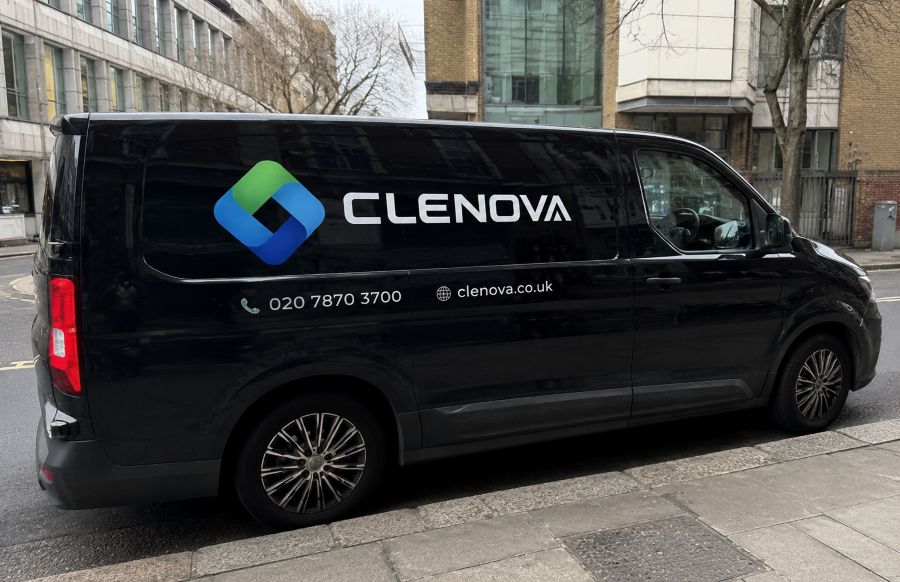
London contract realities make planning more important than headcount
London commercial cleaning contracts succeed or fail around access, timing, security and communication. The number of cleaners on a supplier’s payroll matters less than whether the provider can run the job around the building’s actual operating conditions.
An office clean scheduled after staff leave needs reliable attendance because a missed shift may not be seen until the next working day. Managed buildings add another layer: sign-in rules, landlord procedures, alarm details, keys, loading restrictions and changing stakeholder expectations. Across Greater London, travel time and borough spread also affect cover planning, especially where one provider handles several premises.
Health and safety liaison belongs in this planning, not in a separate file that nobody reads. The Health and Safety Executive says cleaning contractors and clients need agreed liaison arrangements, shared workplace risk information and clear emergency procedures before work starts. A competent provider handles those basics calmly during mobilisation and keeps them practical for the cleaners who actually attend the site.
Security needs the same plain treatment. If a contractor holds keys or alarm information, you need coded records, restricted access and clear internal responsibility. Where the site needs extra checks or clearance, the contract should state that plainly without vague promises.
London rewards cleaning companies that plan around the building, not around a generic rota. The clean that fails is often the one that looked simple until access closed early, the usual cleaner was absent and nobody had ownership of the fix.

The management test separates value from low price
The strongest commercial cleaning contract is the one with visible management, measurable quality and transparent value. A cheap quote can become expensive if it leaves your team managing absences, checking hours and chasing corrections.
Use this decision test for any local cleaning company in London or any national cleaning contractor:
- Name the site owner. Identify who manages your site day to day, who attends review meetings and who has authority to make changes.
- Check attendance evidence. Ask how contracted hours are recorded and how you will know the cleaning time has been delivered.
- Test the cover plan. Confirm what happens when the regular cleaner is sick, on leave or unavailable at short notice.
- Define quality checks. Agree what will be inspected, how issues will be recorded and how corrective action will be followed up.
- Read the price properly. Look for labour, supervision, supplies, equipment, cover and management time, not just the headline rate.
- Clarify escalation. Know who handles complaints, how they investigate them and how quickly the issue is acknowledged.
Quality should be inspected, not guessed. The British Standards Institution describes BS EN 13549 as a standard for quality measurement systems in cleaning performance, which is a useful way to think about the issue even where certification is not part of your contract. Cleanliness needs agreed standards, checks and follow-up actions.
Labour cost also deserves a clear conversation. The Living Wage Foundation lists the London real Living Wage as £14.80 per hour for workplaces in Greater London, and that rate is voluntary rather than the statutory minimum. If a London business cleaning contract looks unusually low, you should ask what assumptions sit behind the number, especially around supervision and cover.
At Clenova, we treat price as part of the management structure, not just the number of cleaning hours. A contract has to make room for attendance control, quality checks and cover, because those are the parts that stop the service becoming another task for your facilities team.
Over the next 12 to 24 months, commercial cleaning buyers in London will place more weight on evidence: proof of attendance, recorded quality checks, clearer labour assumptions and named management responsibility. The contractor that can show how the service is controlled will be easier to defend in procurement than the one that simply sounds large, local or cheap.

Frequently asked questions
Is a local commercial cleaner better for a single London office?
A local commercial cleaner can be a stronger fit for a single London office if the provider offers direct management access, attendance checks, cover and regular quality reviews. Location alone is not enough.
What happens if my regular office cleaner does not turn up?
Your contractor should have a planned cover process using trained operatives or supervisors. The contract should make clear how absence is reported, who arranges cover and who confirms the missed work has been handled.
Should quality inspections be included in a cleaning contract?
Yes, quality inspections give both sides a clear way to judge standards and track corrective action. Informal feedback alone is too loose for an ongoing commercial cleaning contract.
Does the London Living Wage affect cleaning contract value?
The London real Living Wage is voluntary, but it can be a useful benchmark when reviewing whether a quote allows for fair labour assumptions. Very low pricing deserves closer scrutiny around staffing, supervision and cover.
Do I need a national contractor for several sites in Greater London?
A national contractor is not automatically required for several sites in Greater London. A London-focused provider may still be suitable if it can manage borough spread, attendance, supervision and reporting across your sites.
This is general information, not professional advice.